
Both routes end at Machu Picchu. Almost nothing else about them is the same. One is a UNESCO-listed Inca road that ends the way it was always meant to: walking through a stone gateway as the citadel appears below. The other is a high-altitude mountain crossing that trades archaeology for glaciers, cloud forest, and one of the most dramatic passes in the Andes. Neither is the “better” trek. They’re different journeys to the same place, and the right one depends on what you actually want out of those four days.
Machu Picchu Trek Comparison: Inca Trail vs Salkantay
| Factor: | The Classic Inca Trail | The Salkantay Trek |
|---|---|---|
| Duration: | 4 days / 3 nights | 4 days / 3 nights |
| Highest point: | 4,215 m | ~4,630 m |
| Total distance: | ~45 km | ~68 km |
| Main draw: | Inca archaeology, historic road | Mountain and glacier scenery |
| Archaeological sites en route: | Several (Llactapata, Runkurakay, Sayacmarca, Phuyupatamarca, Intipata) | None directly on route |
| Machu Picchu arrival: | On foot, via Intipunku (Sun Gate) | By bus, from Aguas Calientes |
| Government permit: | Required, limited to 500/day | Not required |
| Closed in February: | Yes | No |
| Camping: | 3 nights, tents | 2 nights (dome & shelter) + 1 hotel night |
| Support crew: | Porters | Horses and muleteers |
What Is The Classic Inca Trail
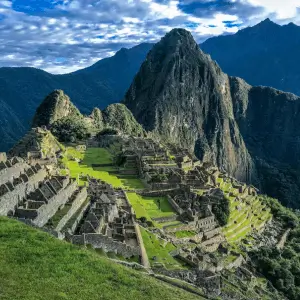
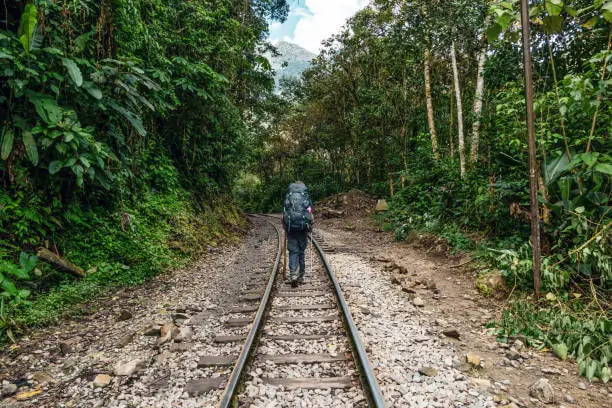
The Classic Inca Trail is a 4-day, 45-kilometer trek along a section of the original Qhapaq Ñan, the road network the Inca built to move people, goods, and armies across the empire. Starting at Km 82 near Ollantaytambo, the route passes through Llactapata, climbs over Warmiwañusca (Dead Woman’s Pass, 4,215 m), and continues through the archaeological complexes of Runkurakay, Sayacmarca, Phuyupatamarca, and Intipata before reaching Intipunku, the Sun Gate, on the final morning. Walking through Intipunku and seeing Machu Picchu appear below, exactly as travelers on this road have for centuries, is the single biggest reason people choose this route over any alternative.
Because it runs through a protected archaeological zone, the Inca Trail is regulated directly by Peru’s Ministry of Culture, with a strict daily cap on how many people can enter.
What Is The Salkantay Trek?
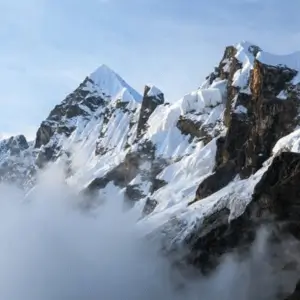
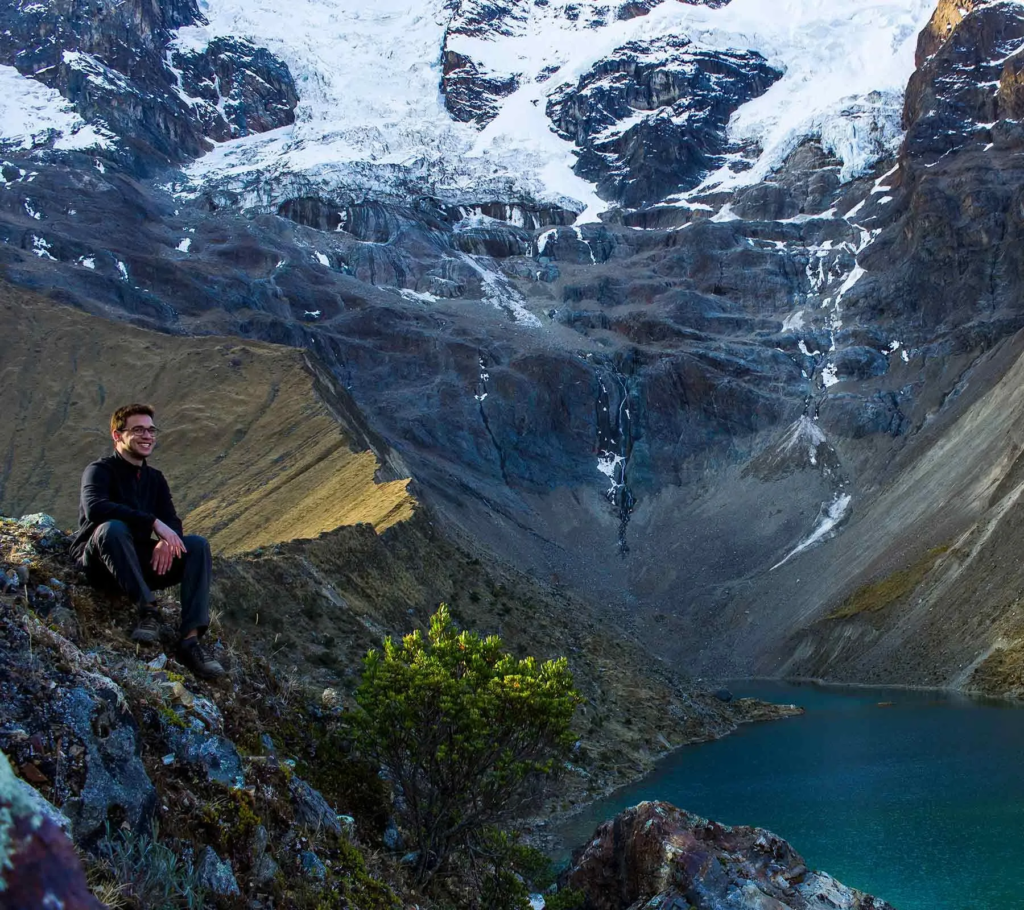
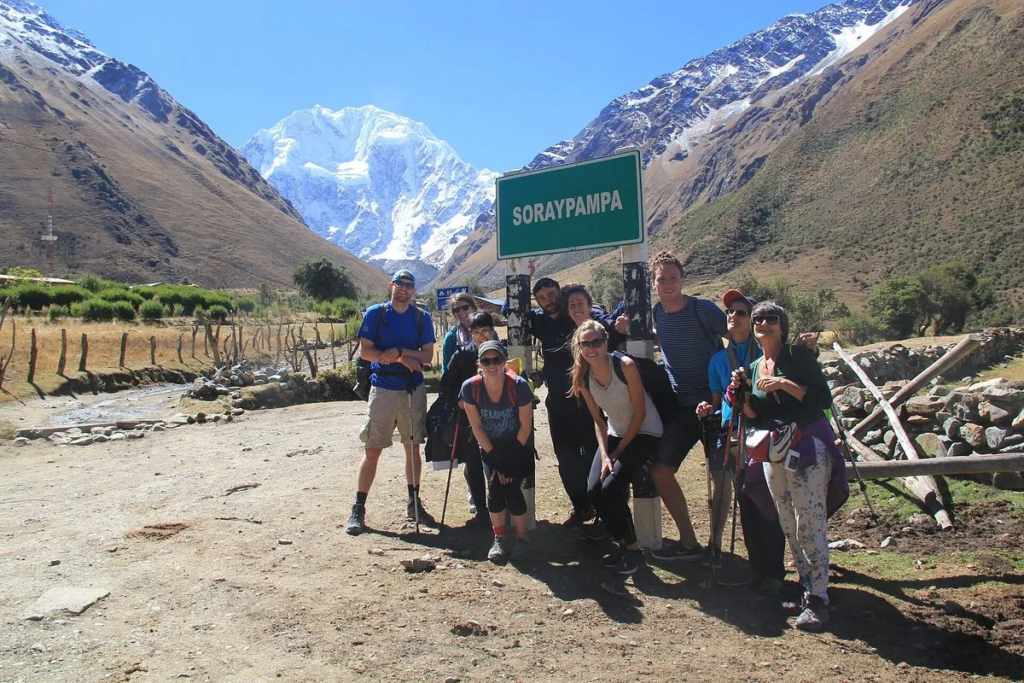
The Salkantay Trek is a longer, higher-altitude route about 68 kilometers over the same 4 days that trades an ancient road for raw mountain terrain. It starts with a hike to Soraypampa and an afternoon detour to the glacier-fed Humantay Lake, before the trek’s defining moment on day two: the climb to Salkantay Pass, at approximately 4,630 meters, with the snow-capped Salkantay massif directly overhead. From there, the route drops dramatically in altitude and climate, descending through the Santa Teresa Valley’s cloud forest, past 80-meter waterfalls and orchids, to Aguas Calientes, where the group spends the final night in a hotel before visiting Machu Picchu the next day. Unlike the classic Inca Trail, Salkantay isn’t part of the government-regulated Camino Inca network, so it doesn’t require a Ministry of Culture permit.
The Short Answer
Choose the Inca Trail if history and archaeology are why you’re going to Peru. Choose Salkantay if mountain scenery and a physically dramatic landscape matter more to you than walking an ancient road. Both are genuinely challenging, both end at Machu Picchu, and neither one is the “easy” option.
Difficulty: Not the Same Kind of Hard
It’s tempting to just say “Salkantay is harder” because it reaches a higher altitude — but that oversimplifies both routes. The classic Inca Trail’s difficulty comes from constant elevation change: stone stairways, steep and irregular Inca-built steps, and a demanding accumulated climb over Dead Woman’s Pass on day two. Salkantay’s difficulty comes from altitude and distance: a longer daily trekking distance, a higher maximum elevation, and a 12-hour second day that crosses the pass itself. Neither route is a gentle walk. The classic Inca Trail challenges your legs and lungs on technical terrain; Salkantay challenges your endurance and altitude tolerance over more ground.
Scenery & Landscapes
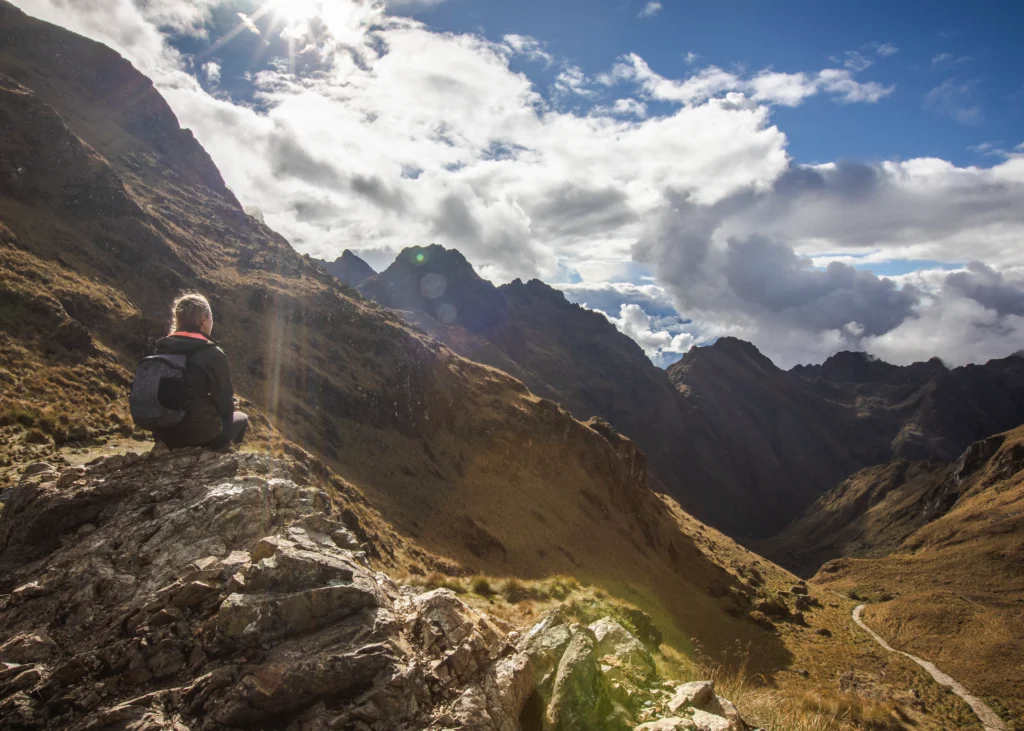
Both treks cross serious ecological range, but they emphasize different things. The classic Inca Trail moves through cloud forest and high mountain terrain interwoven with archaeological sites, so you experience the scenery and history together, step by step. Salkantay puts mountain scenery at the center of the experience: a single, dramatic descent from glacier and high alpine terrain at Salkantay Pass down into subtropical cloud forest by day three, with a wider variety of landscape change in a shorter time than almost any other trek in the region.
Archeology & Culture
This is where the two routes diverge most clearly. If walking through Inca ruins is a core part of why you’re doing this trek, the Inca Trail is the clear choice. Runkurakay, Sayacmarca, Phuyupatamarca, and Intipata are all part of the route itself, not side trips. Salkantay has essentially no archaeological sites along the way; its identity is built entirely around the mountain and glacier landscape, with the cultural and historical payoff arriving only once you reach Machu Picchu itself.
Best Trek to Machu Picchu Arrival: Two Very Different Endings
This might be the single biggest differentiator between the two treks. Inca Trail hikers arrive at Machu Picchu on foot, through Intipunku, the same gateway used for centuries; the citadel appears gradually as you descend toward it, with no bus, no town, no transition. Salkantay hikers spend the final night in Aguas Calientes and take an early bus up to the citadel the next morning, arriving well-rested after a comfortable final night, rather than finishing a multi-day trek with the arrival itself.
Altitude
The classic Inca Trail’s highest point, Dead Woman’s Pass, sits at 4,215 meters. Salkantay Pass reaches approximately 4,630 meters, noticeably higher, and is the more physically demanding of the two altitude-wise. Anyone considering Salkantay should factor in extra time in Cusco (itself at 3,400 m) to acclimatize before the trek begins.
Distance & Daily Hiking
Based on Crossover’s own published itineraries, the classic Inca Trail covers roughly 45 kilometers over four days, with the longest single day around 16 km. Salkantay covers roughly 68 kilometers, with a demanding 24 km second day that includes the pass crossing and a 27 km third day through the Santa Teresa Valley. Salkantay is simply the longer trek by a wide margin — worth factoring in for anyone weighing overall physical demand rather than altitude alone.
Permits & Availability
This is one of the most practical differences between the two treks, and it has nothing to do with difficulty or scenery. The classic Inca Trail is capped at 500 total permits per day by Peru’s Ministry of Culture, and only about 200 of those go to travelers; the rest are allocated to the guides, cooks, and porters required to support them. The trail is also closed entirely every February for maintenance. Because of that cap, permits for the Inca Trail’s high season (May through September) routinely sell out five to six months in advance.
Salkantay isn’t part of the government-regulated Camino Inca network, so there’s no equivalent permit ceiling and no scheduled closure, which makes it a genuinely useful fallback for travelers with less lead time, or anyone planning a February trip when the classic Inca Trail simply isn’t running.
Accommodation & Camping
Both treks camp in two-person tents with a full kitchen and dining setup, but they don’t spend the same number of nights under canvas. The Inca Trail camps all three nights, right up to the final push to Intipunku. Salkantay camps for two nights and then swaps the last night of the trek for a hotel room in Aguas Calientes, a noticeably more comfortable finish, with a real bed and shower before the Machu Picchu visit the next morning.
Which Trek Matches Your Travel Personality?
The history seeker → The Classic Inca Trail. Walking through five archaeological sites on the way to Machu Picchu isn’t a bonus — it’s the whole point.
The mountain lover → Salkantay. Standing beneath the Salkantay massif at 4,630 meters is a different kind of payoff than any ruin can offer.
The planner → The Classic Inca Trail. If you already know your travel dates six months out, the permit system rewards early planning rather than punishing it.
The flexible traveler → Salkantay. No permit ceiling means far more room to book closer to your travel dates.
The “I want the classic Machu Picchu story” traveler → The Classic Inca Trail. Arriving on foot through Intipunku is a specific, once-in-a-lifetime experience that no other route replicates.
The “the journey is the adventure” traveler → Salkantay. A glacier pass, a cloud forest descent, and a comfortable final night make the trek itself the main event.
Our Honest Recommendation
We sell both of these treks, and we’re not going to pretend one is secretly better to steer you toward the pricier option. If archaeology and walking an actual Inca road matter to you, book the Classic Inca Trail and plan early; the permit system leaves no room for last-minute decisions. If you’d rather spend four days deep in genuinely dramatic mountain terrain and don’t want your trip locked to a government reservation calendar, Salkantay delivers that without the same planning pressure. Both routes are run by the same guides and the same standard of support at Crossover; the only real question is which four days you’d rather have.
Frequently Asked Questions
Is the Inca Trail harder than Salkantay, or is it the other way around? Neither is simply “harder.” The Inca Trail is more technically demanding, with steep stone stairways and constant elevation change. Salkantay is more physically demanding overall, with a higher maximum altitude and significantly more total distance.
Which trek gets you to Machu Picchu on foot? Only the Inca Trail arrives on foot, through Intipunku (the Sun Gate). Salkantay hikers reach Machu Picchu by bus from Aguas Calientes.
Do I need a permit for Salkantay? No. Salkantay isn’t part of the government-regulated Camino Inca network, so it doesn’t require a Ministry of Culture permit, unlike the Inca Trail.
Can I do the Inca Trail in February? No. The Inca Trail closes entirely every February for maintenance. Salkantay is unaffected and operates year-round.
How far in advance should I book the Inca Trail? Given the 500-permit daily cap, 5–6 months ahead is recommended, especially for the May–September high season.
Which trek is more scenic? Both are scenic in different ways: the Inca Trail blends landscape with archaeology, while Salkantay is built almost entirely around dramatic, high-altitude mountain terrain.
Ready to Choose Your Route?
If the history won you over, explore the Classic Inca Trail 4-Day Trek and start planning early; permits are limited. If the mountains are calling, explore the Salkantay Trek 4-Day and enjoy a little more flexibility on dates. Still not sure? Tell us your travel dates, hiking experience, and what matters most to you; we’ll help you choose the route that actually fits your trip.