
Imagine a vast Inca citadel stretching across an Andean plateau, surrounded by deep canyons and rivers winding through the mountains—a place that has recently been making headlines.
At the T’aqrachullo Archaeological Site, every stone wall, every plaza, and every agricultural terrace seems to whisper ancient stories as the cold highland wind sweeps through the valley.
This guide is designed to help you prepare for your visit: here you’ll find where T’aqrachullo is located, what makes it so special, what the weather is like, and how to plan your trip comfortably and responsibly.
What is the T’aqrachullo Archaeological Zone?
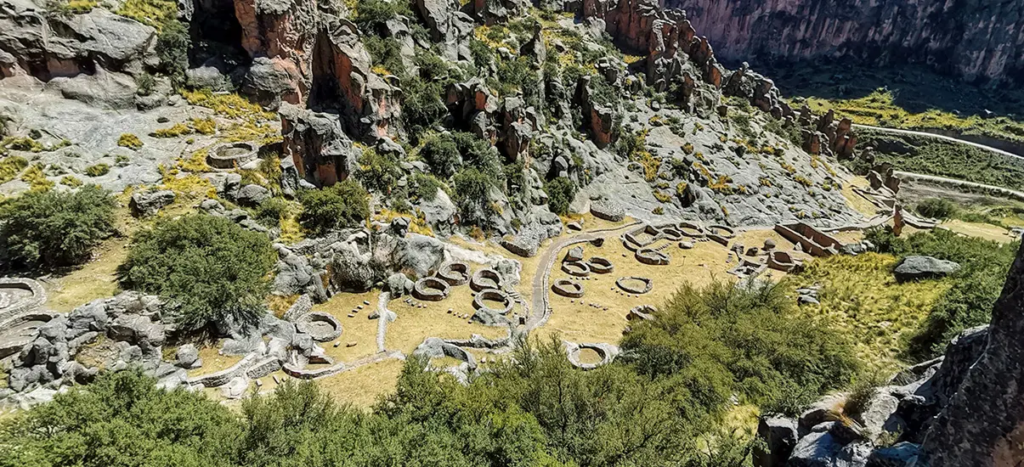
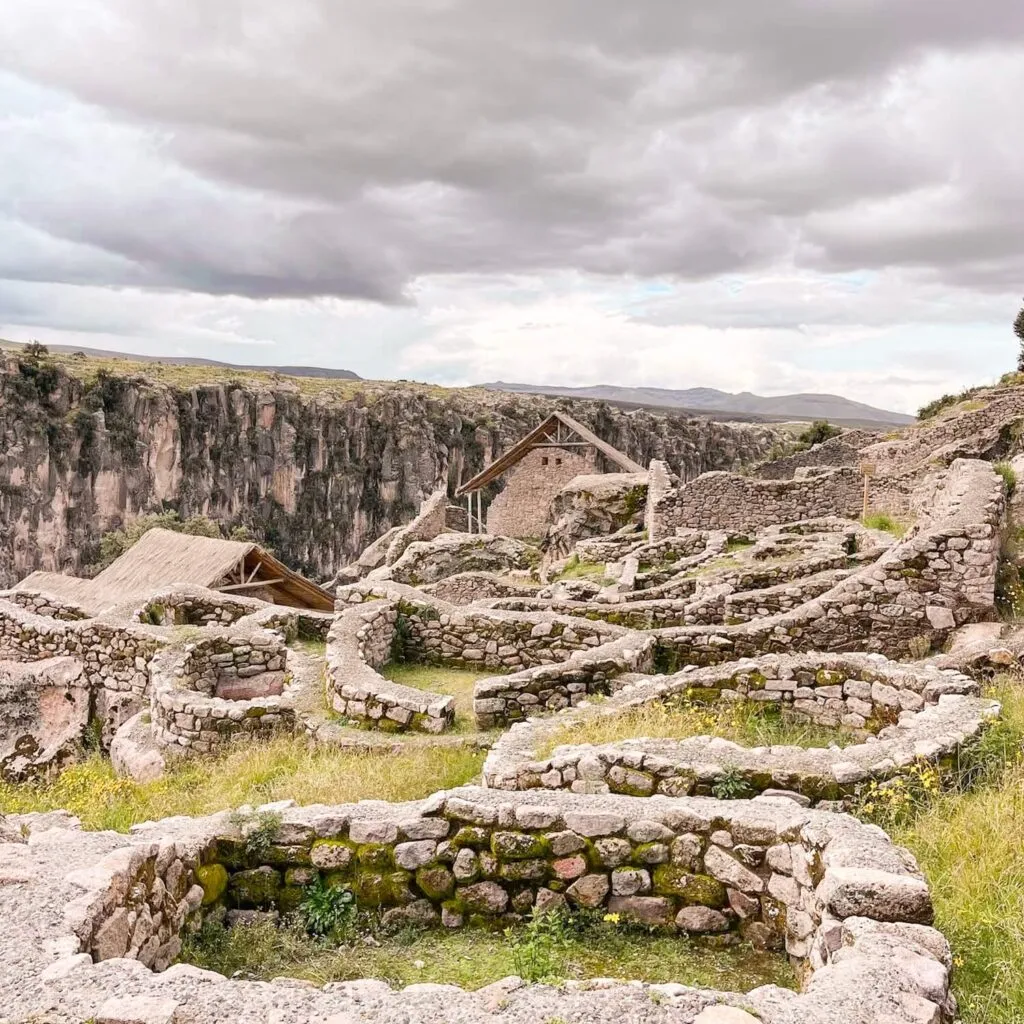
T’aqrachullo is an impressive pre-Hispanic archaeological complex located in southern Cusco, considered today one of the great revelations of the Andean world. It spans approximately 17 hectares and comprises more than 600 structures, including ceremonial enclosures, dwellings, plazas, and places of worship, giving it the scale of a true sacred citadel.
Various studies suggest that T’aqrachullo may be linked to the mythical Aconcagua, one of the most important temples of the Tahuantinsuyo.
It is also believed to have been occupied by pre-Hispanic cultures such as the Wari, Qolla, and Inca before establishing itself as a major Inca ceremonial center.
Today, walking through its streets and terraces means coming into contact with a millennia-old legacy that is only just beginning to reveal itself to the world.
Reasons to experience T’aqrachullo
Walking through a sacred citadel.
Here, you’re not just visiting “just another set of ruins”; you’re walking through an ancient Inca citadel where temples, ceremonial plazas, enclosures for the elite, and places of worship have been identified, reflecting the site’s spiritual significance.
As you proceed, passageways and platforms invite you to imagine ceremonies, pilgrimages, and rituals dedicated to the mountains and the Andean gods.
Discover a place that is just now being revealed to the world.
For many years, T’aqrachullo was seen merely as a collection of scattered structures amid grazing lands, but recent research has put it on the map as one of the most important archaeological discoveries of the 21st century in the southern Andes.
This means that today you have the opportunity to explore a fascinating site before it becomes overcrowded, still enjoying it in a peaceful and authentic setting.

Feel the vastness of the Andean landscape
T’aqrachullo stands on a plateau within the “Tres Cañones” Regional Conservation Area, in the province of Espinar, overlooking the Apurímac River canyon and the confluence of several rivers.
From various points within the complex, you’ll have panoramic views of deep canyons, rocky cliffs, and clear skies, framing the Inca architecture within a natural setting that impresses in every direction.
Connect with tranquility and local culture
Since it’s located in an area less visited than classic tourist destinations, the experience at T’aqrachullo is typically quieter, more unhurried, and closer to local life. It is an ideal place for travelers seeking to listen to the wind, walk at a leisurely pace, learn from local guides, and experience Cusco from a different perspective.
Where is T’aqrachullo located, and how do you get there from Cusco?
The T’aqrachullo Archaeological Zone is located in the Cusco Region, Espinar Province, Suykutambo District, within the Tres Cañones Regional Conservation Area.
Route Cusco – Espinar (Yauri)
The road trip takes, on average, between 4 and 5 hours by car.
Route Espinar – T’aqrachullo (Tres Cañones)
From the provincial capital, there’s a solid road that allows you to reach the T’aqrachullo area in approximately 40 minutes by car.
Some itineraries combine a visit to T’aqrachullo with natural viewpoints in Tres Cañones and other nearby attractions, making for a very comprehensive trip in terms of scenery and culture.
Weather in T’aqrachullo: What to Expect
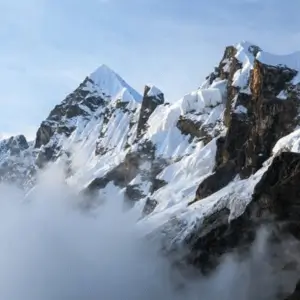
T’aqrachullo is located at over 4,100 meters above sea level, so the climate is typically high-Andean: cold and dry for most of the year, with sudden temperature changes between day and night.
In general, you can expect:
- Mornings and afternoons: clear or partly cloudy skies, with strong sunshine that feels warm when you’re on the move, but with cool air.
- Nights and early mornings: low temperatures, which can approach zero degrees or even drop a bit lower in some months.
- Rainy season (approx. November to March): rain, denser clouds, and wet trails, which adds drama to the landscape but requires better gear.
- Due to the altitude and sun exposure, it’s important to bring sunscreen, sunglasses, and layered clothing to adapt to changes throughout the day.
Why does T’aqrachullo fascinate travelers and experts so much?
T’aqrachullo combines three elements that are not always found together: monumental scale, profound symbolic significance, and a breathtaking natural setting.
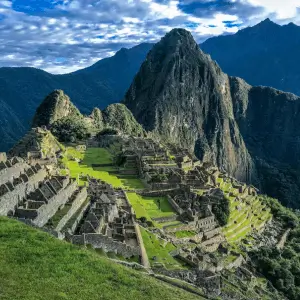
Recent research has shown that its urban area far exceeds that of Machu Picchu, housing hundreds of structures that reveal careful planning, hierarchical structures, and a strong ceremonial focus.
Additionally, its strategic location on the plateau and its connection to the Qhapaq Ñan suggest that it was a key center within the Tahuantinsuyo’s network of roads and sacred temples.
For this reason, many experts consider T’aqrachullo to be one of the most important keys to understanding the spiritual and political world of the Incas in southern Peru.
Practical Tips for Your Visit
- Spend at least 1–2 days in Cusco or another Andean city to acclimate to the altitude before traveling to Espinar.
- Pack layered clothing, a windbreaker, a hat, light gloves, and hiking boots with good traction.
- Don’t forget sunscreen, sunglasses, and plenty of water; the sun’s rays and the altitude can take a toll.
Why include T’aqrachullo in your trip to Cusco?
If you’ve already heard about Cusco’s classic sites, T’aqrachullo offers the chance to go a step further: discover a monumental Inca citadel that is only now being revealed to the world, set amidst canyons, rivers, and open skies.
It’s an ideal destination for those who value history, nature, and the chance to say, “I was there when it was still a secret.”
Your visit will not only be a unique personal experience but also a boost for the Espinar region and its communities to continue highlighting this exceptional heritage.
Are you ready to go T’aqrachullo?