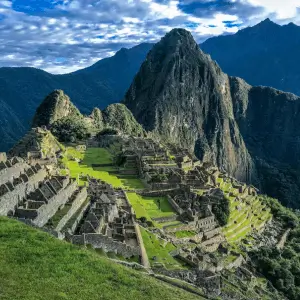

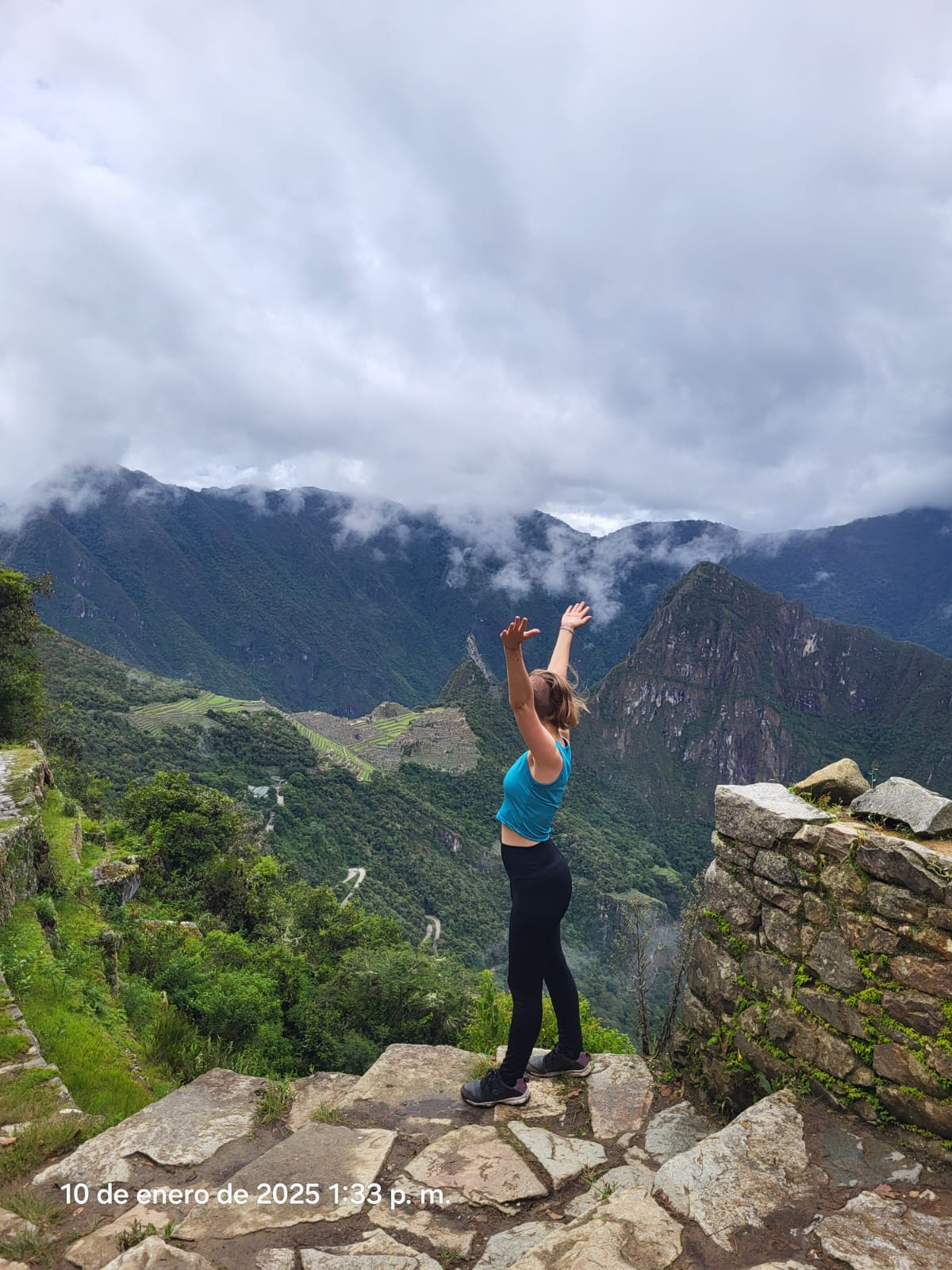
The Camino Inca is one of the most famous trekking routes in the world and one of the most incredible experiences travelers can have in Peru. This ancient path, built by the Inca civilization centuries ago, winds through breathtaking Andean landscapes, mysterious archaeological sites, lush cloud forests, and eventually leads to the legendary citadel of Machu Picchu.
For thousands of visitors every year, hiking the Camino Inca is more than just a trek it is a journey through history, culture, and nature. Following the same stone paths once used by the Incas, travelers experience spectacular scenery and discover hidden ruins that cannot be reached by any other route.
In this comprehensive guide, you will learn everything about the Camino Inca, including why it is one of the most sought-after treks in the world, where it is located, its fascinating history, wildlife and vegetation, practical travel recommendations, and what you should pack for the adventure
Reasons to Experience the Camino Inca
There are many reasons why the Camino Inca is considered one of the most iconic trekking routes in the world. It offers a perfect combination of adventure, culture, and natural beauty.
Walk Through Ancient History
One of the most exciting aspects of the Camino Inca is that you are literally walking on the original stone paths built by the Incas more than 500 years ago. These routes were part of the famous Qhapaq Ñan, the vast road system that connected the entire Inca Empire.
Access to Hidden Archaeological Sites
Unlike other routes to Machu Picchu, the Camino Inca passes several impressive archaeological complexes that can only be visited by hikers on the trail. These sites provide an incredible glimpse into the engineering and spiritual life of the Inca civilization.
A Unique Arrival at Machu Picchu
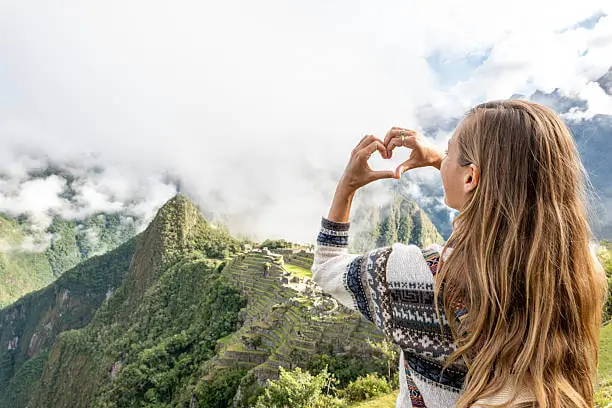
One of the highlights of the Camino Inca is arriving at Machu Picchu through the famous Sun Gate, known as Inti Punku. From this viewpoint, hikers experience their first breathtaking panoramic view of the ancient city.
Stunning Natural Landscapes
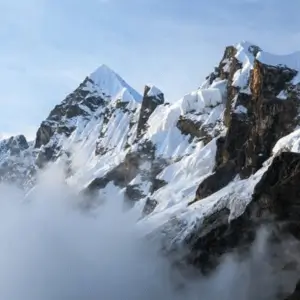
The Camino Inca crosses multiple ecosystems, including high mountain passes, lush valleys, and subtropical cloud forests filled with biodiversity.
A once in a lifetime adventure
For many travelers, completing the Camino Inca becomes one of the most memorable experiences of their lives.
¿Where Is the Camino Inca Located?
The Camino Inca is located in southern Peru, within the Cusco region of the Andes Mountains. It forms part of the ancient Inca road network that once connected the entire Inca Empire across modern-day Peru, Bolivia, Ecuador, Chile, Colombia, and Argentina.
Most travelers begin their journey from the historic city of Cusco, which served as the capital of the Inca Empire.
The classic Camino Inca route begins at a location known as Km 82, along the railway line that connects Cusco to Machu Picchu. From there, hikers follow the ancient stone trail through mountains and valleys until they reach Machu Picchu.
Along the Camino Inca, trekkers pass several remarkable archaeological sites, including:
- Llactapata
- Runkurakay
- Sayacmarca
- Wiñay Wayna
These sites provide fascinating insight into the strategic and ceremonial importance of the Camino Inca.
The trek usually lasts 4 days and 3 nights, although shorter versions of the Camino Inca also exist for travelers with limited time.
Why Is the Camino Inca So Fascinating?
The Camino Inca has captured the imagination of travelers for decades. Here are some interesting facts that make this trek truly unique.
Part of a 30,000-Kilometer Road System
The Camino Inca is only a small portion of the enormous Inca road network called the Qhapaq Ñan, which stretched for more than 30,000 kilometers across South America.
Built Without Modern Tools
The Incas built the stone paths of the Camino Inca without metal tools or wheels, using remarkable engineering techniques that allowed the roads to survive for centuries.
Limited Daily Permits
To protect the environment and archaeological sites, access to the Camino Inca is limited to a restricted number of hikers per day. This helps preserve the trail and maintain its natural beauty.
Dramatic Mountain Passes
One of the highest points of the Camino Inca is Dead Woman’s Pass, which reaches an elevation of about 4,215 meters (13,828 feet) above sea level.
Incredible Cultural Experience
Hiking the Camino Inca also allows travelers to interact with local guides, porters, and communities who help preserve Andean traditions.
The History of the Camino Inca
The history of the Camino Inca dates back to the height of the Inca Empire in the 15th century. During this period, the Incas created an extensive network of roads that connected cities, agricultural centers, and ceremonial sites throughout their vast territory.
The Camino Inca served several purposes:
- Communication between regions of the empire
- Transportation of goods and resources
- Military movement
- Religious pilgrimages
Messengers known as Chasquis ran along the Camino Inca carrying messages between cities. They used relay stations placed along the road to deliver information quickly across the empire.
Some historians believe the section of the Camino Inca leading to Machu Picchu was used primarily as a ceremonial pilgrimage route for nobles and priests.
After the Spanish conquest in the 16th century, many of these roads fell into disuse. However, the rediscovery of Machu Picchu in 1911 by explorer Hiram Bingham helped bring global attention to the Camino Inca once again.
Today, the trail is protected as part of a UNESCO World Heritage area.
The ecosystems along the Camino Inca support a rich diversity of wildlife. Because the trail passes through multiple climate zones, hikers may encounter many different species.
Fauna of the Camino Inca
Some animals found along the Camino Inca include:
Andean Mammals
- Llamas
- Alpacas
- Viscachas
- Andean foxes
Birds

The Camino Inca is also home to many fascinating bird species, such as:
- The majestic Andean condor
- Hummingbirds
- Mountain tanagers
- Partridges
Birdwatchers often enjoy spotting rare species in the cloud forests along the Camino Inca.
Flora of the Camino Inca
The vegetation along the Camino Inca is just as impressive as its wildlife. The route passes through a wide range of ecosystems, each with unique plant life.
Some common plants found along the Camino Inca include:
Orchids
The cloud forest sections of the Camino Inca contain hundreds of orchid species, many of which are native to the region.
Bromeliads
These colorful tropical plants grow on trees and rocks along the trail.
Polylepis Trees
At higher elevations, hikers may see Polylepis forests, one of the highest-growing tree species in the world.
Ferns and Mosses
The humid cloud forests create the perfect environment for lush vegetation that covers the landscape in vibrant green colors.
Travel Recommendations for the Camino Inca
Preparing properly is essential for a successful Camino Inca adventure.
Book Your Permit Early
Permits for the Camino Inca sell out months in advance, especially during the peak tourist season.
Acclimatize in Cusco
Spend at least 2 to 3 days in Cusco before starting the Camino Inca to help your body adjust to the altitude.
Maintain a Comfortable Pace
The trail includes steep ascents and descents, so hiking slowly and steadily will help you conserve energy.
Stay Hydrated
Drink plenty of water throughout the trek to prevent dehydration and altitude-related discomfort
¿What Should I Bring for the Camino Inca?
Clothing
The weather in the Andes can change quickly, so layered clothing is recommended.
Important clothing items include:
- Lightweight hiking shirts
- Warm fleece jacket
- Waterproof jacket
- Trekking pants
- Comfortable hiking boots
- Hat and gloves
Temperatures can vary significantly between day and night along the Camino Inca.
Accessories
In addition to clothing, several accessories will improve your trekking experience.
Recommended items include:
- Sunglasses
- Sunscreen
- Trekking poles
- Small backpack
- Reusable water bottle
- Camera
- Flashlight or headlamp
Many travelers also bring snacks and energy bars to maintain energy levels during long hiking days.
Final Thoughts: Why the Camino Inca Is One of the World’s Best Treks
amino Inca is much more than a hiking trail it is a journey through history, culture, and nature that connects travelers with the incredible legacy of the Inca civilization.
From ancient stone pathways to breathtaking mountain views and mysterious ruins hidden in the forest, every moment on the Camino Inca offers something extraordinary.
For those who dream of adventure, exploration, and unforgettable landscapes, the Camino Inca remains one of the most rewarding travel experiences in the world.
If you are planning a trip to Peru, walking the legendary Camino Inca should definitely be on your travel bucket list. It is a once-in-a-lifetime adventure that leads you directly into the heart of the Andes and the timeless wonder of Machu Picchu.