
Packing List
The Master Packing Guide:
Conquering Classic Inca Trail
Engineered recommendations to keep you warm, dry, and agile across microclimates ranging from 0°C (32°F) high-altitude mountain passes to subtropical cloud forests.
Official MINCETUR Weight Verification Applied
Required & Recommended Expedition Gear
Click "Add to My Duffel" on any item to update your expedition readiness score.
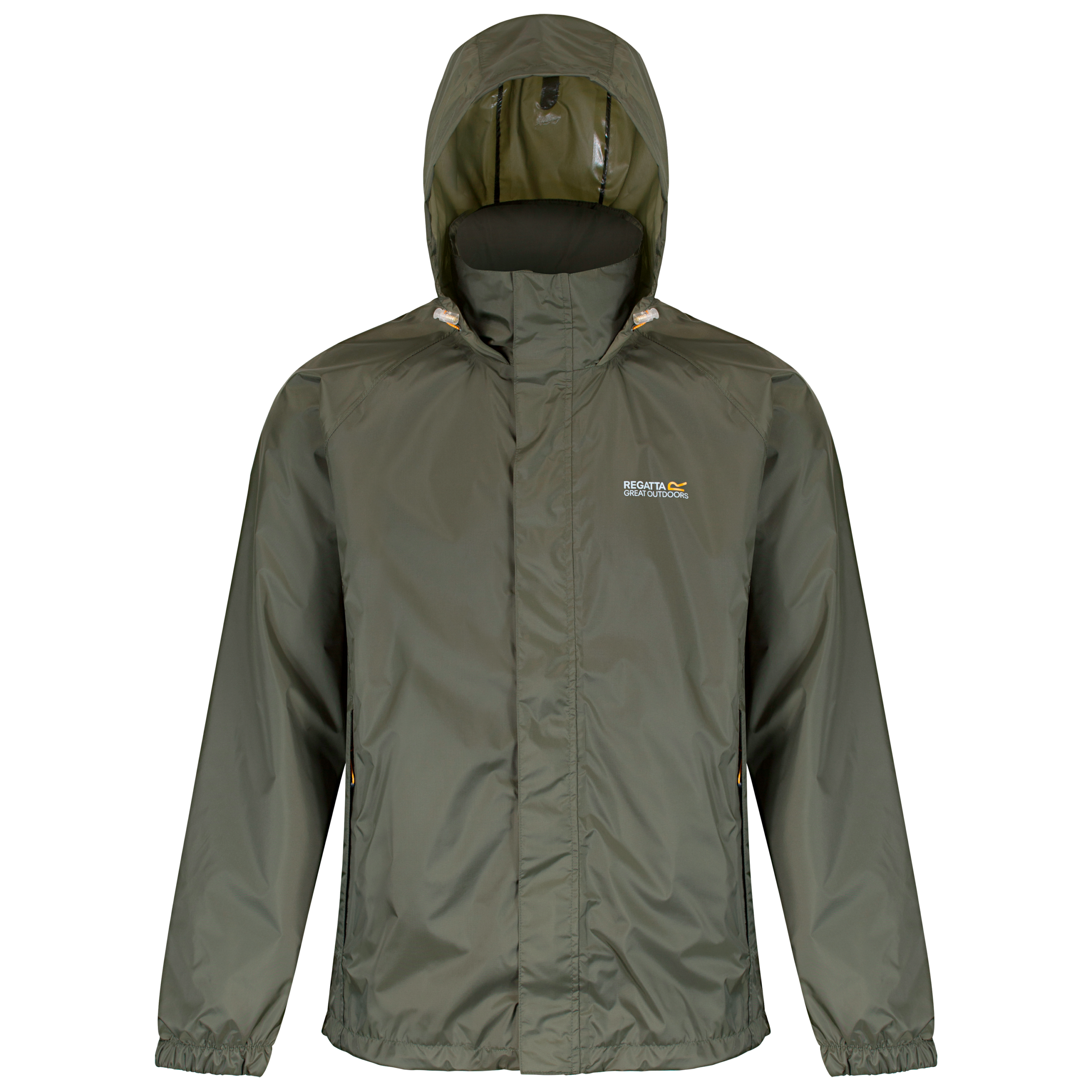
Waterproof Hardshell Jacket
Seam-sealed hardshell Rain Gear is always a possibility when hiking in Peru-especially during the rainy season (October to March). That's why you should pack a waterproof jacket to protect yourself from both rainfall and cold temperatures. It's also advisable to bring a small rain poncho that you can easily wear during light showers. In addition, consider packing waterproof covers for your backpack and electronic devices, as downpours can be intense and unpredictable.
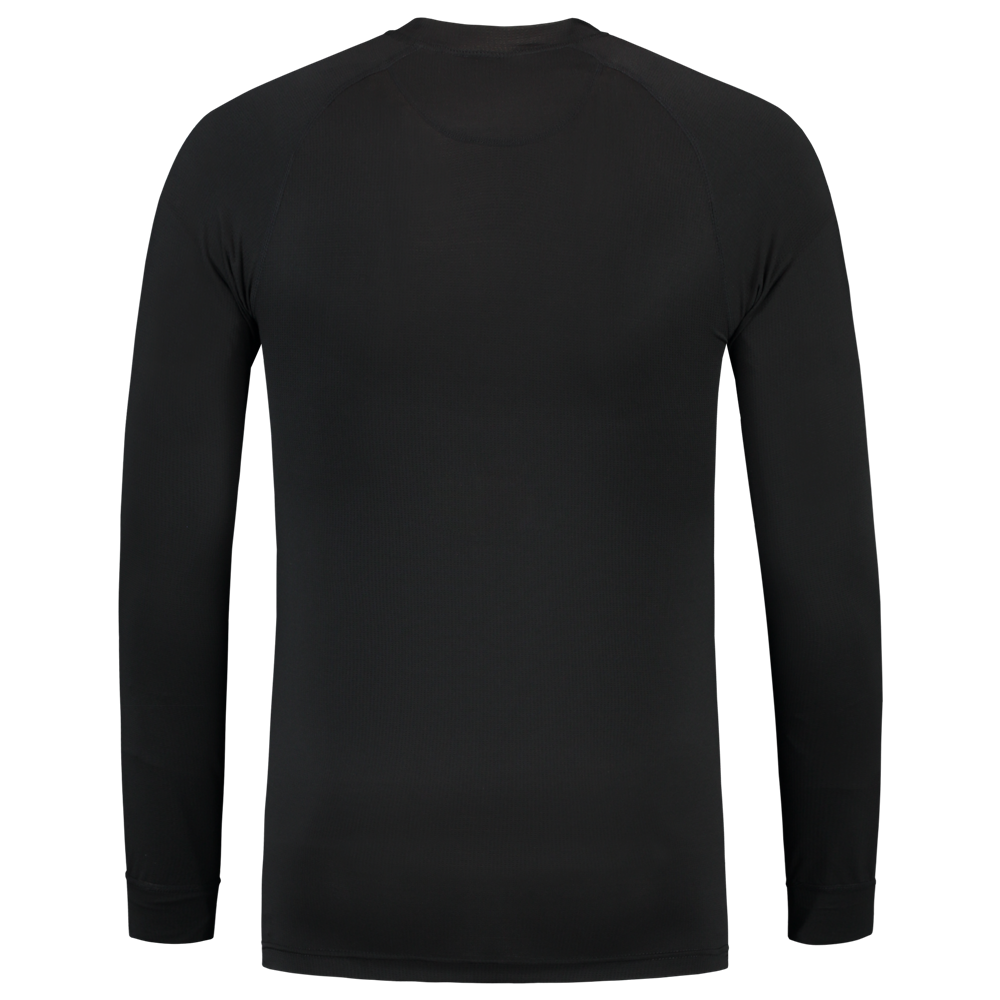
Base Layers
Also known as the first layer, it is essential in the higher elevations of the Inca Trail Trek, where temperatures can drop below 0°C (32°F). The best base layers fit snugly to minimize airflow and retain body heat. They are also made of breathable materials that allow for better sweat management. We recommend carrying two upper base layers and one lower base layer for the first two days.
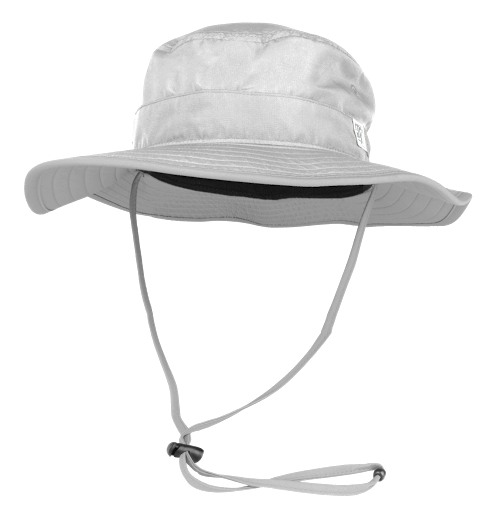
Hat for Sun Protection
You must bring a hiking hat. It protects your face and neck from intense high-altitude solar radiation and the glaring sun during the day. It's easy to get burnt at high altitudes in just a few minutes. Your hat should be light and easy to bend/fold so that it can fit into your backpack or rucksack. Trekking hats with a neck cover are great to give you ultimate protection
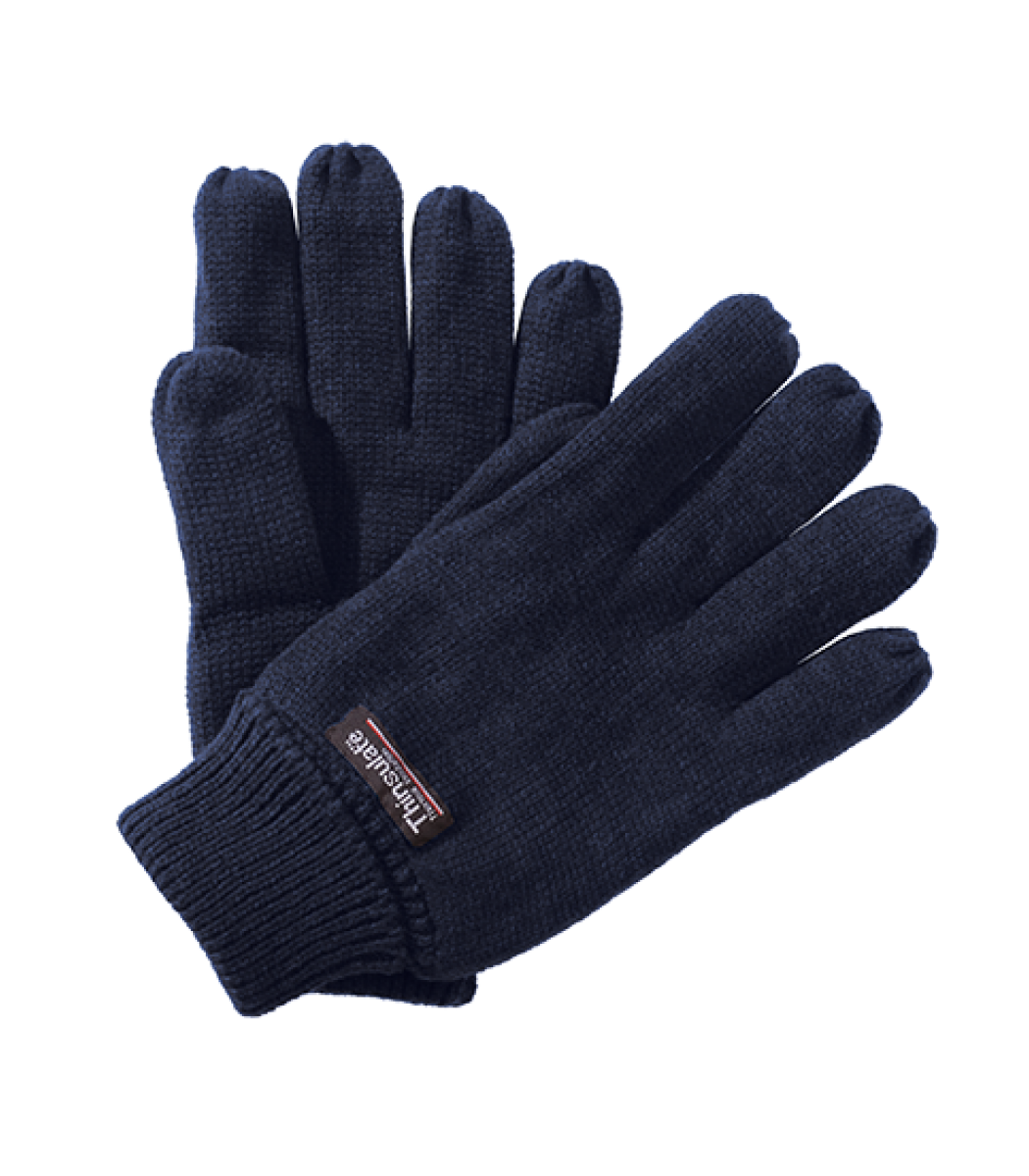
Trekking Gloves
Gloves act as the layer closest to the skin; a Windstopper shell with warm fleece lining is vital for early morning ascents to 4,630m. Just like the base layer clothing described earlier. You should bring lightweight, quick-drying gloves, ideally with a fleece interior and a synthetic outer layer.
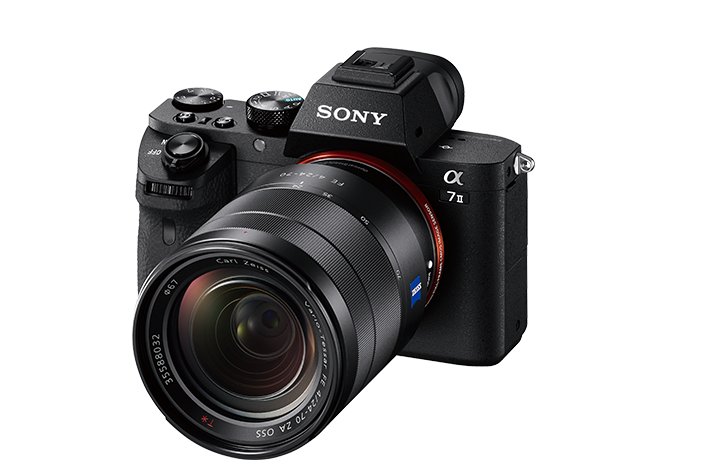
Camera
The landscapes in Cusco are truly spectacular! You'll want to capture every moment of this unique experience. If you have a lightweight digital camera with good image quality, bring it along. However, it's not essential-many modern smartphones have excellent cameras that can document your adventure in high resolution. Bring spare lithium batteries, as cold temperatures drain power faster.
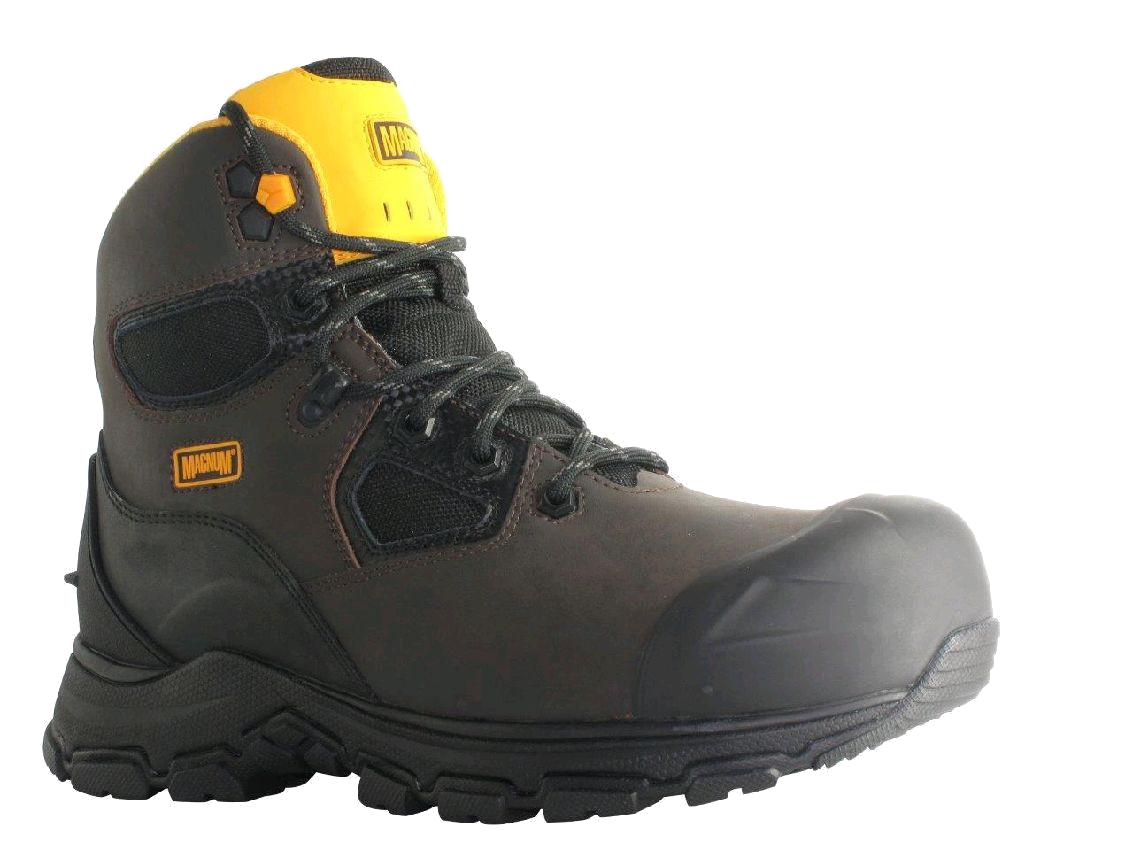
Ankle-Support Trekking Boots
Are essential to complete the Inca Trail Trek. To avoid blisters or injuries, make sure they fit well, leaving a bit of room at the toe and with laces that allow for a secure fit. It's crucial to break them in before the trip, as wearing new boots during the trek can cause discomfort, pain, or even injuries. Additionally, Inca staircases require aggressive lugs and rigid ankle support. Must be broken in before arrival.
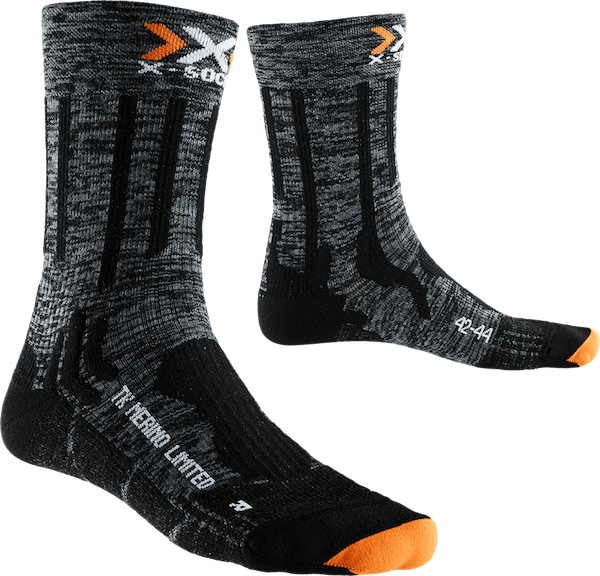
Trekking Socks
For your trek, you'll need between 5 and 6 pairs of hiking socks, along with 4 or 5 pairs of thin socks or high-absorption liners. It's important to choose breathable socks with good moisture-wicking capabilities, as they will help keep your feet dry, prevent blisters, and enhance comfort during long hikes. Avoid cotton socks, as they retain moisture and can cause irritation or painful chafing. Opt for technical materials specifically designed for multi-day hikes on challenging terrain.
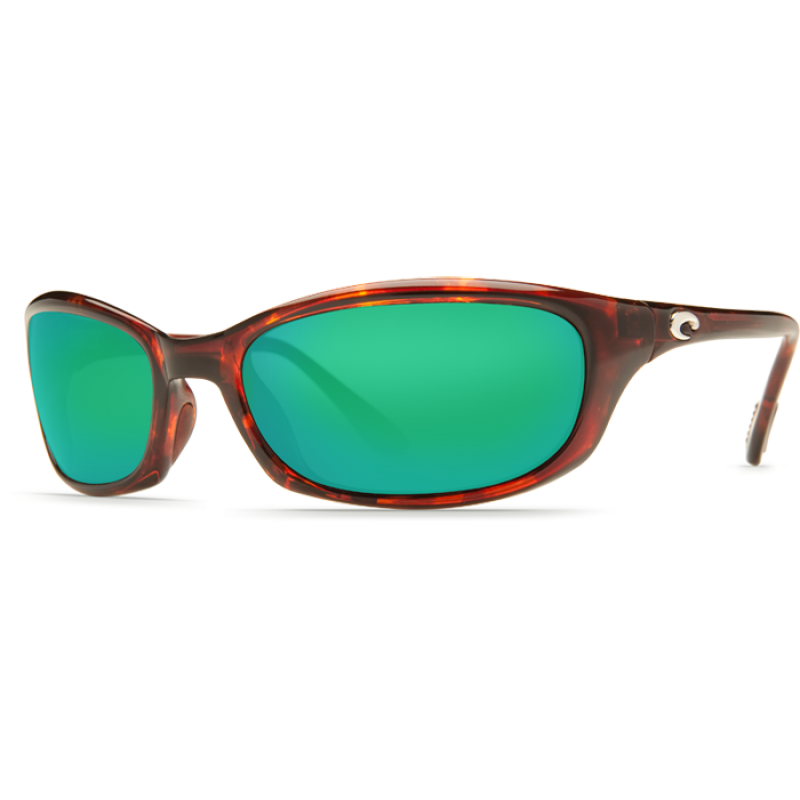
High-Altitude Sunglasses
The intensity of the sun's rays in Cusco is very high due to the high altitude and the glare from the snow-capped mountain peaks can cause eye strain during open ridge traverses. We recommend bringing quality sunglasses with UV protection at least 80% light reduction.
Trekking Pants and Shorts
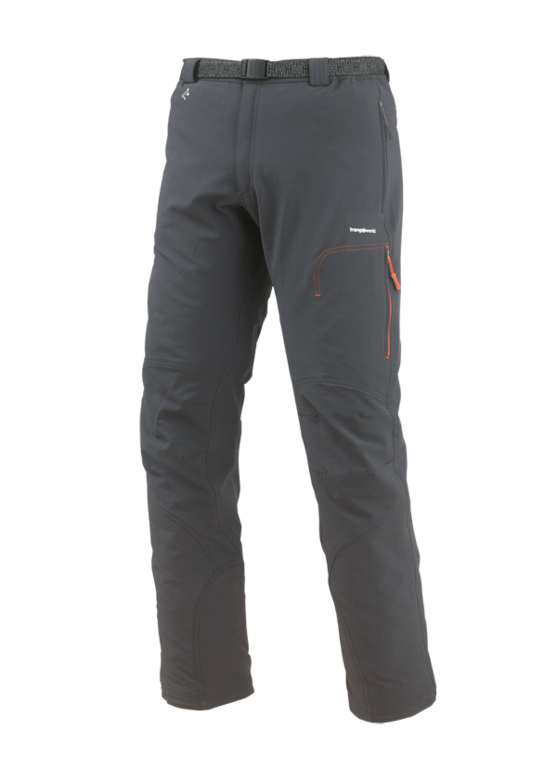
For your Inca Trail trek, it's essential to bring both long and short pants specifically designed for trekking. A great option is convertible pants, which have zippers that allow you to easily turn them into shorts depending on the weather. This type of garment not only offers more versatility and comfort on the trail but also helps save space and money. We recommend packing at least two pairs of long (or convertible) pants and one pair of shorts. This way, you'll be ready for any weather conditions and can adjust to your preferences along the way.
Flashlight
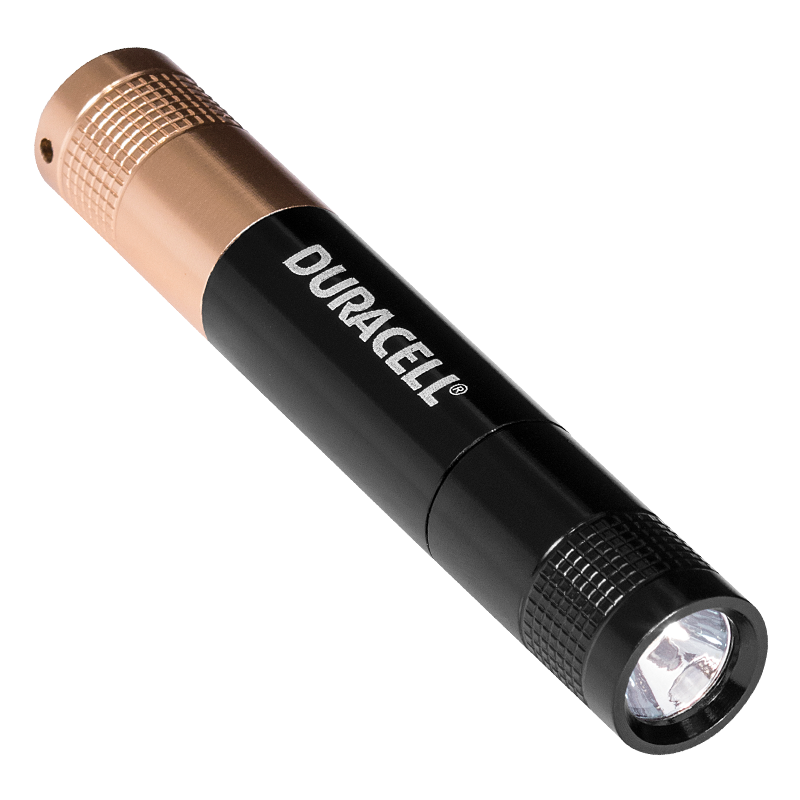
At the campsites, you'll likely need to use the bathroom in the dark or want to read a bit before sleeping. Additionally, many hikes start very early, even before sunrise. Since local homes and campsites usually have limited lighting, a flashlight will be essential. Remember to bring spare batteries or a charger if it uses a rechargeable battery. That way, you'll always be prepared, no matter the time or place.
Hydration Bladder & Flask
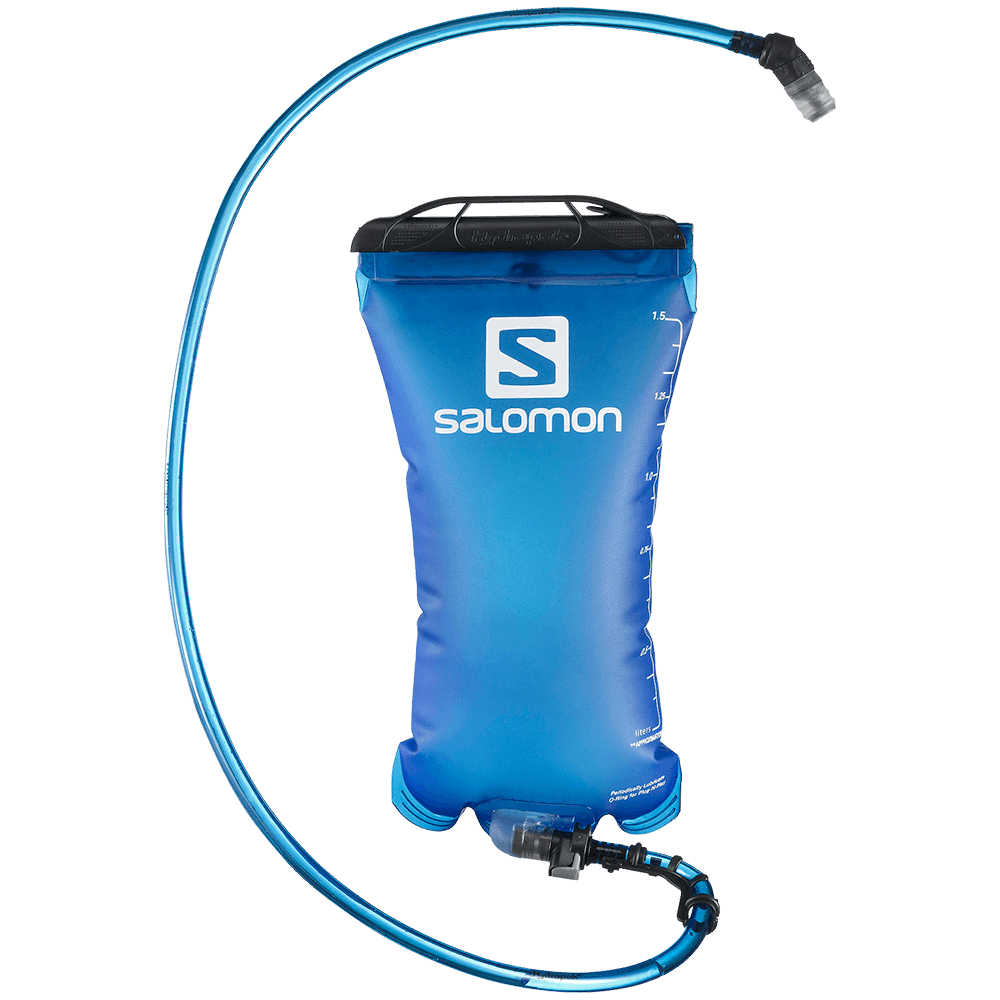
Dehydration is very common at high altitudes, so it's essential to drink between 2 and 3 liters of water per day. Not doing so can cause dizziness, fatigue, and other symptoms that will make the rest of the trek more difficult. You can bring a regular reusable water bottle or a hydration reservoir (CamelBak) that fits inside your backpack. What matters most is that it's durable, easy to fill, and practical to drink from during the hike.
Adjustable Trekking Poles
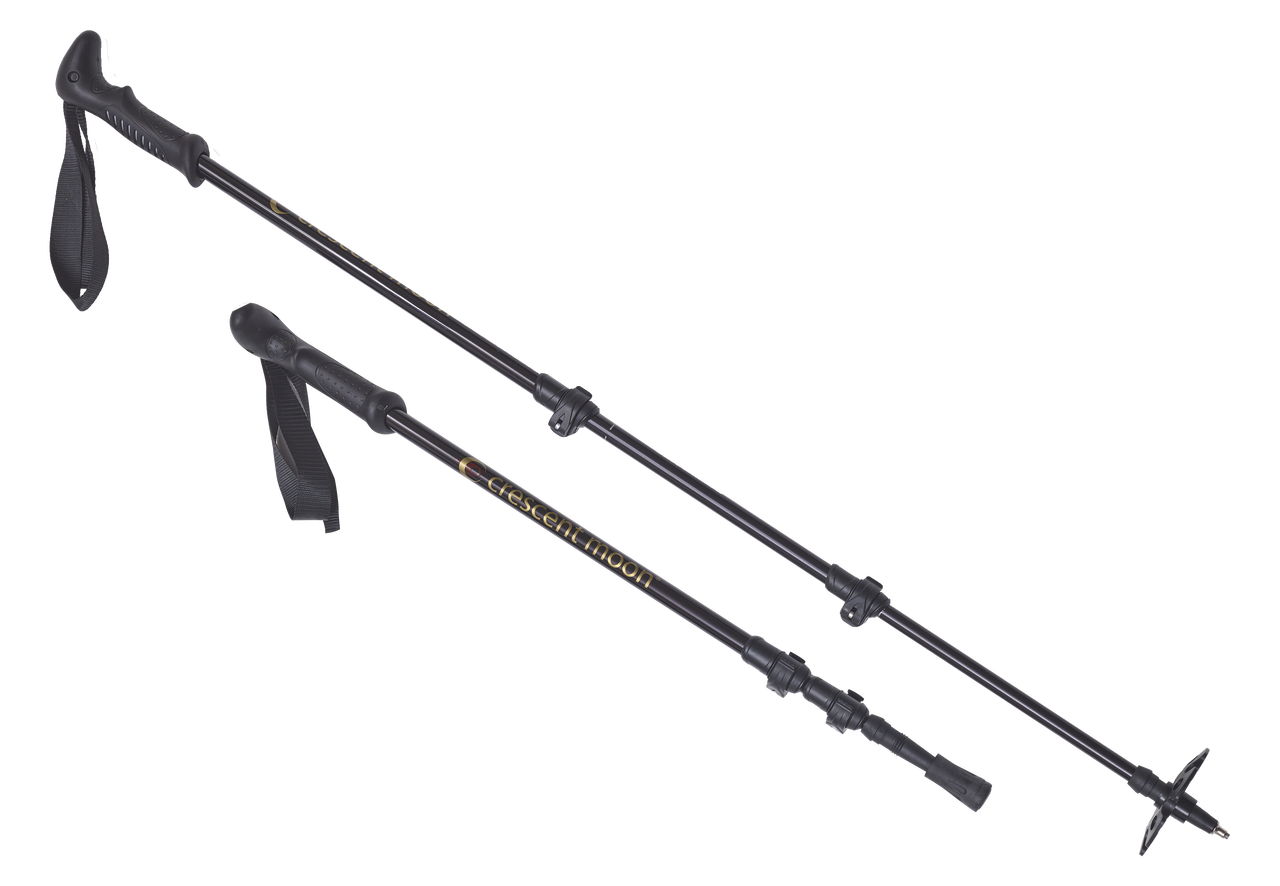
Trekking poles can significantly reduce the impact on your knees and other joints, especially during downhill sections, where the strain on your legs increases. It's recommended to choose lightweight poles (around 350 grams per pair) that are adjustable, as they are easy to carry, comfortable to use, and adaptable to various terrains and heights.
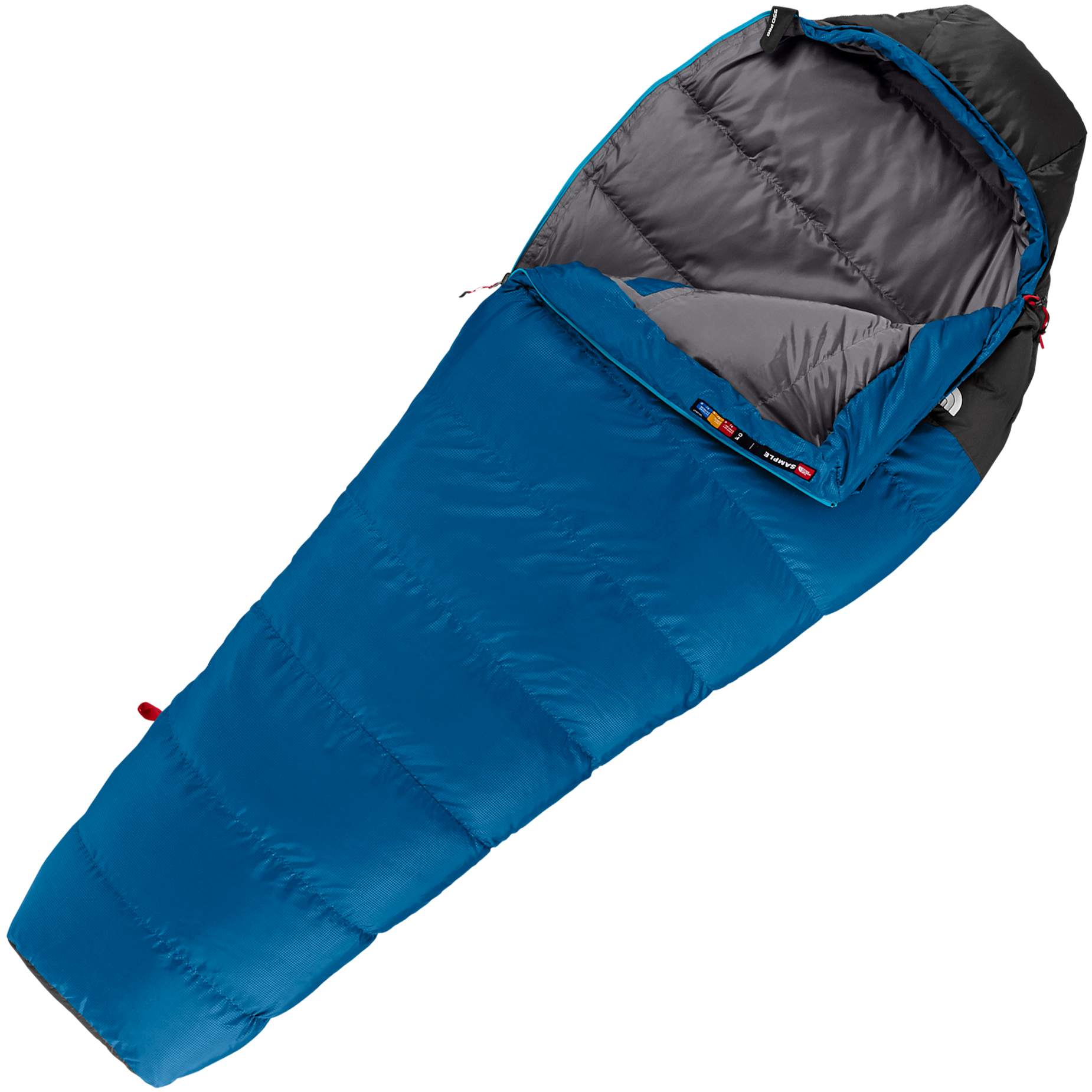
-10°C Down Sleeping Bag
It's essential to bring a warm sleeping bag for the trek, as mountain nights can be very cold, sometimes dropping below 0 ℃ (32°F). If you're looking for a budget-friendly option, choose a synthetic sleeping bag rated for temperatures as low as -10℃ (14°F). Ideally, it should be mummy-shaped with a hood and drawstring closure to better retain body heat.
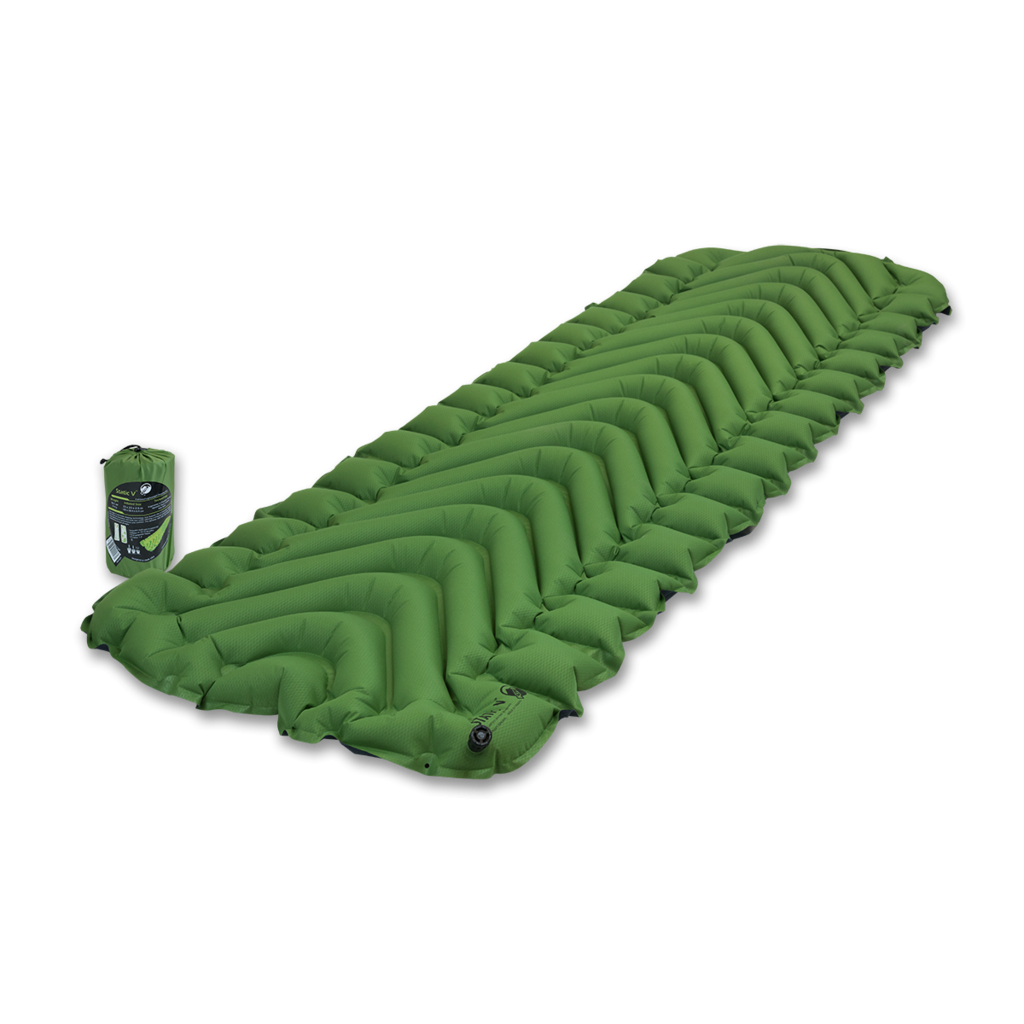
Inflatable Sleeping Pad
It's equally essential to bring a quality inflatable sleeping pad for the trek, as the freezing mountain ground will quickly drain your body heat, even with a warm sleeping bag. If you're looking for a budget-friendly option, choose a basic inflatable pad with an R-value of at least 3.0. Ideally, it should be at least 2.5 inches (6 cm) thick for comfort on uneven terrain, and feature internal reflective layers to better trap and retain your body heat.
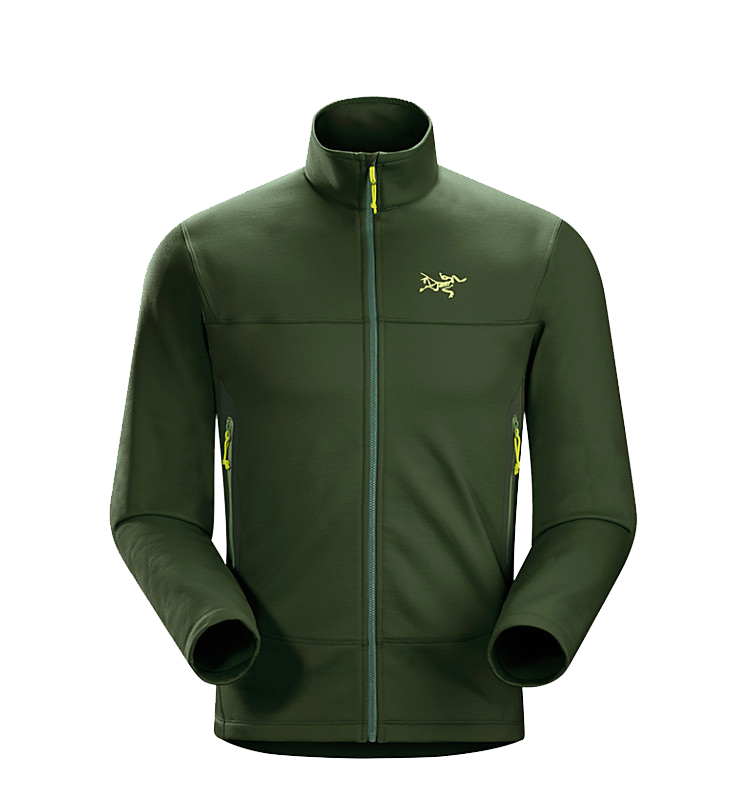
Trekking Shirts
You'll need between 3 and 4 trekking shirts. Choose lightweight, breathable, and quick-drying shirts- ideal for staying comfortable during the hike. Technical or synthetic fabrics are the best option, as they're specifically designed for outdoor activities. Avoid cotton shirts, as they retain moisture and can leave you feeling cold and uncomfortable. It's best to bring a combination of short- and long-sleeved shirts to adapt to the different climates you'll encounter along the route.
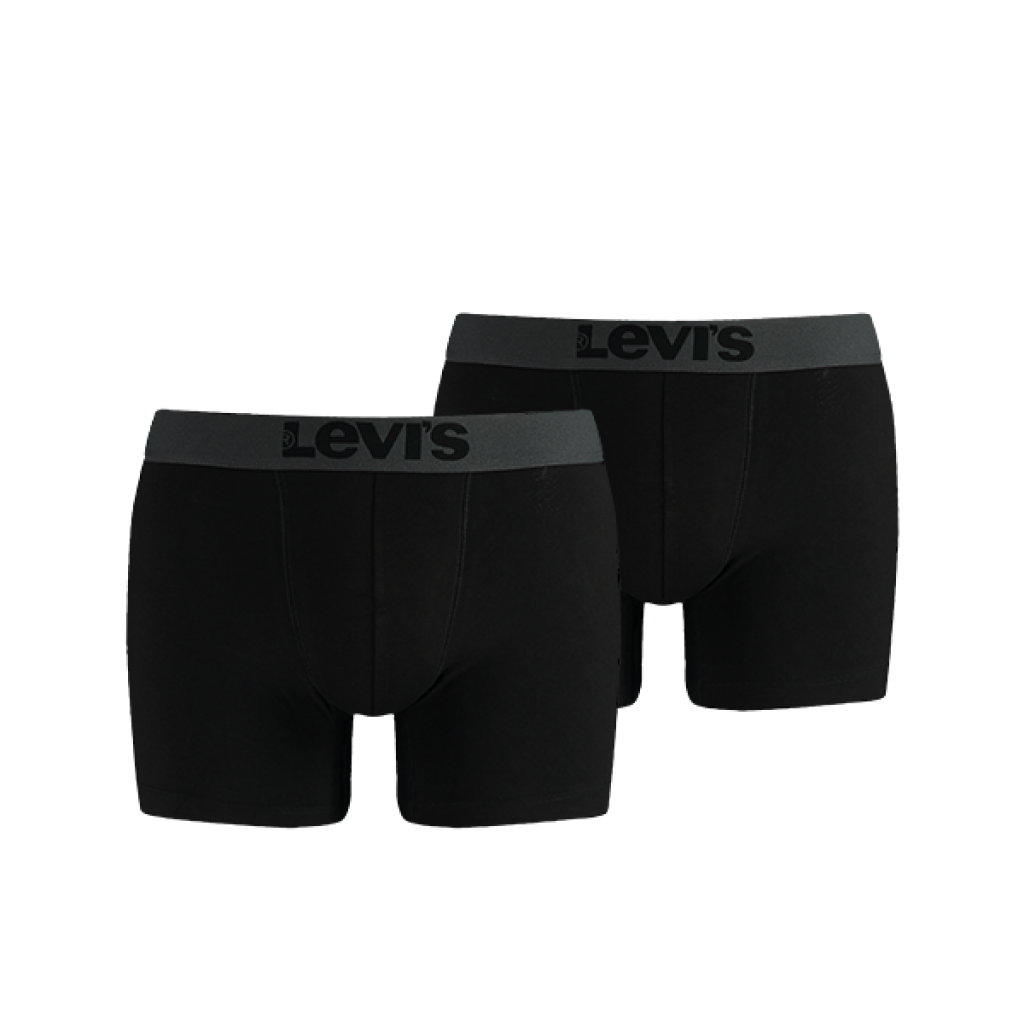
Underwear
Choosing the right underwear is essential for your comfort while hiking. We recommend bringing 4 to 6 pairs of high-quality underwear. In particular, we recommend wearing athletic underwear. These garments are specifically designed for high-intensity activities and help control perspiration during exercise.
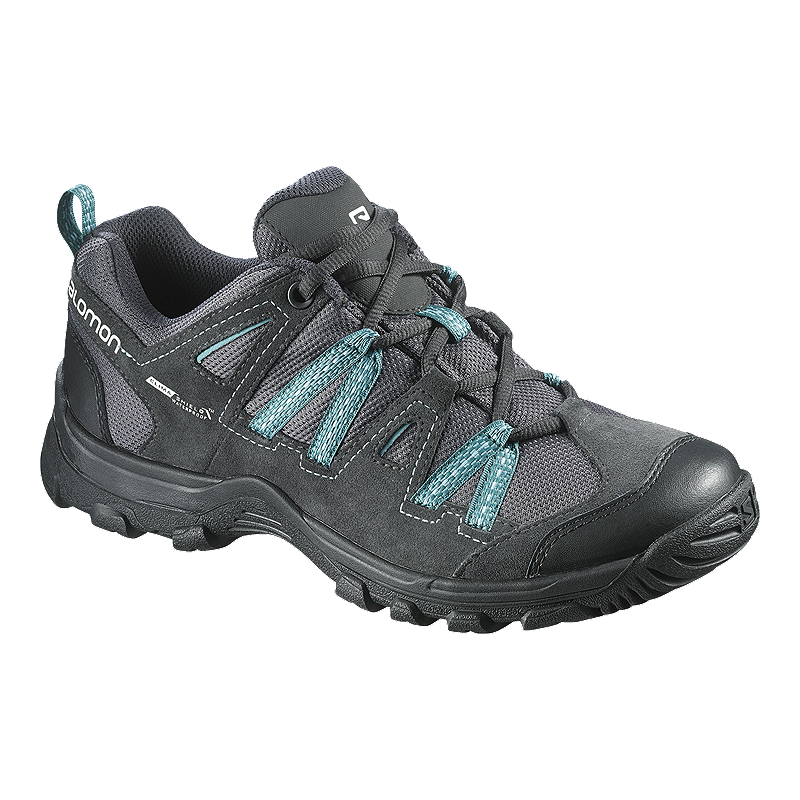
Trekking Shoes / Sandals
Navigating steep, uneven, and sometimes slippery mountain paths requires reliable footwear to prevent blisters and fatigue. Bringing a sturdy pair of trekking shoes or mid-cut hiking boots with excellent ankle support and a deep, aggressive tread for maximum grip. Ideally, they should feature a waterproof membrane and, most importantly, be well broken-in before your trip to ensure your feet stay comfortable and protected throughout the entire journey.
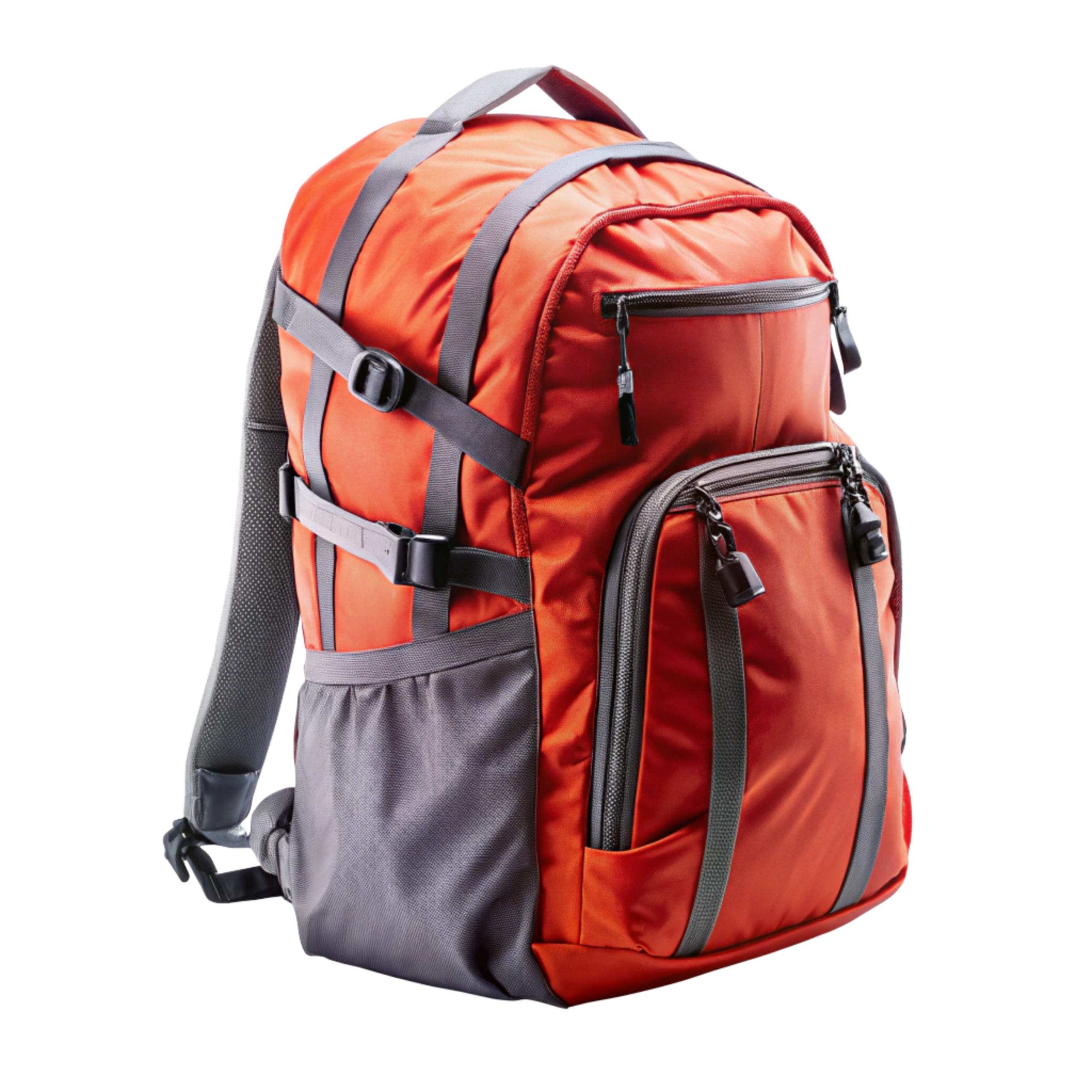
Backpack
During our treks, our porters will carry your heavier belongings so you can hike comfortably. This means you should always carry a small daypack for essentials: water, snacks, camera, sunscreen, and more. A 25- to 30-liter backpack is usually sufficient. We recommend a backpack with compression straps and lumbar support to reduce pressure on your back, as well as mesh side pockets for quick access to your water bottle. It's important to bring a rain cover for your backpack, as the weather in the Andes is unpredictable and changes frequently. Make sure you get a cover that's the right size for your backpack for a better fit.
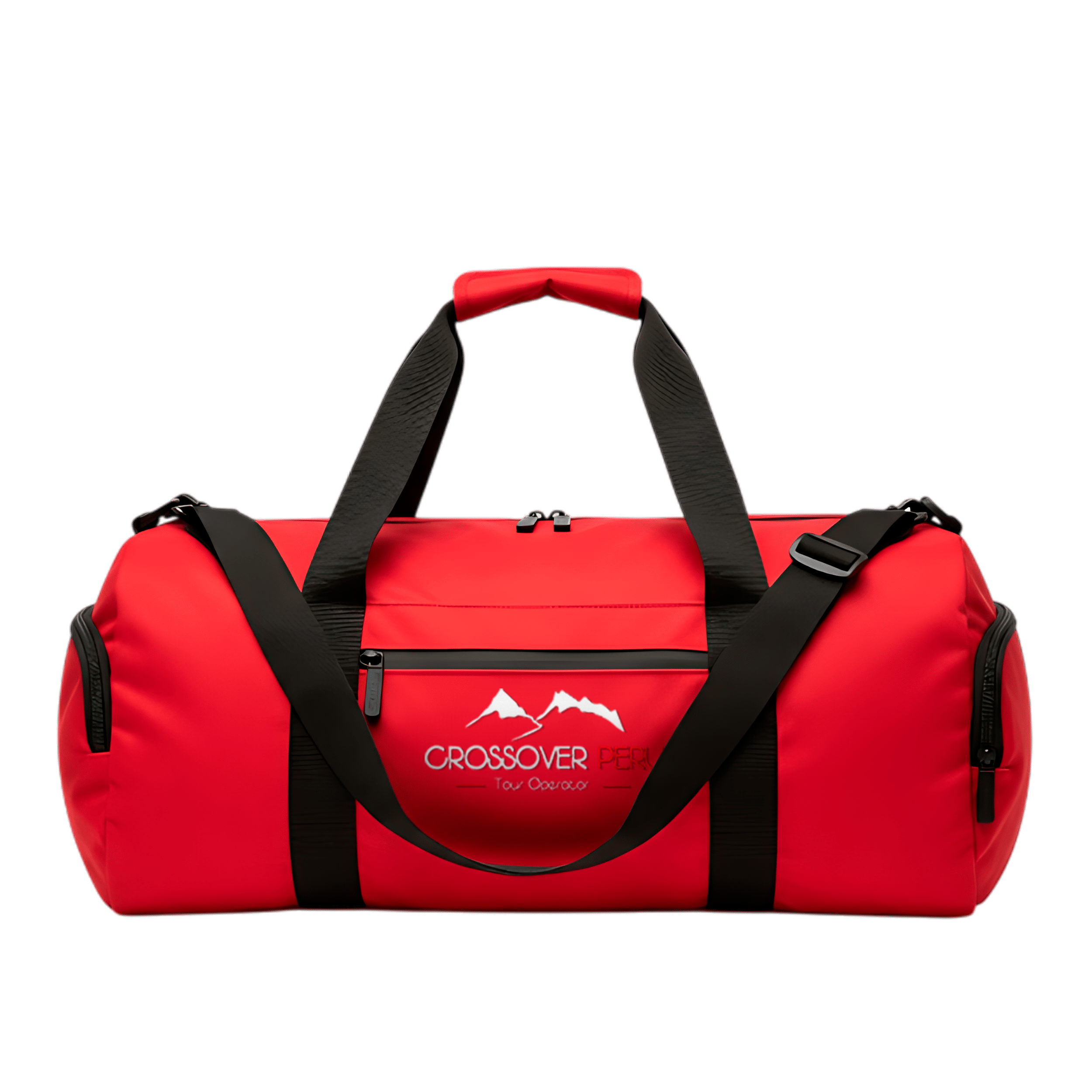
Duffel Bag
The day before your trek, we will provide a duffel bag for your belongings. You may pack up to 5 kg (11 lb) total: 3.5 kg for personal items and 1.5 kg for your sleeping bag. Our porters will carry this bag directly to the campsite. Since you won't have access to it during the hike, keep your daily essentials in your daypack.

Emergency Rain Poncho
Lightweight backup protection for your daypack in case of sudden heavy downpours.

Wet Wipes & Toilet Paper
Eco-friendly biodegradable wipes for personal sanitation during multi-day trail sections.
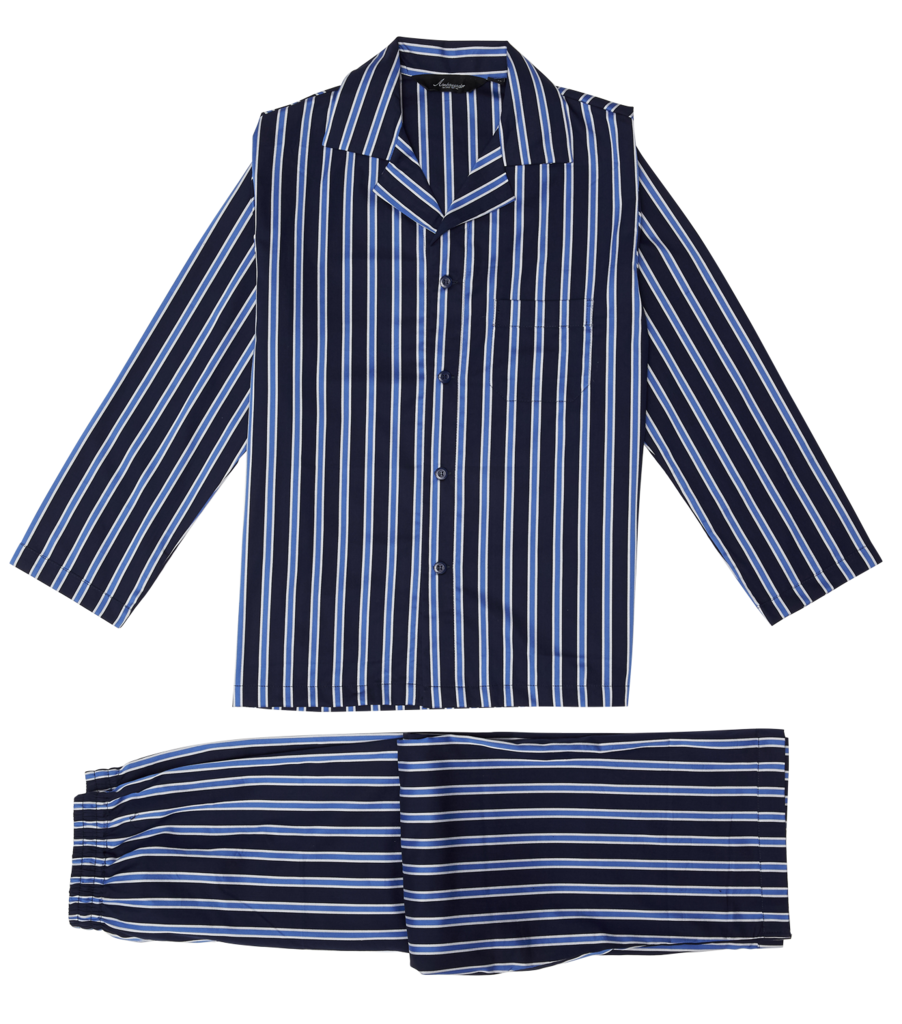
Pajama Pants
Whether you prefer soft sweatpants, thermal pajamas, or cozy leggings, having comfortable sleepwear is essential to unwind after a long day on the trail. Mountain nights at the campsites get remarkably chilly and damp, so make sure to opt for warm, long pants paired with a light top. This will help you rest well and recover for the next day's hike.
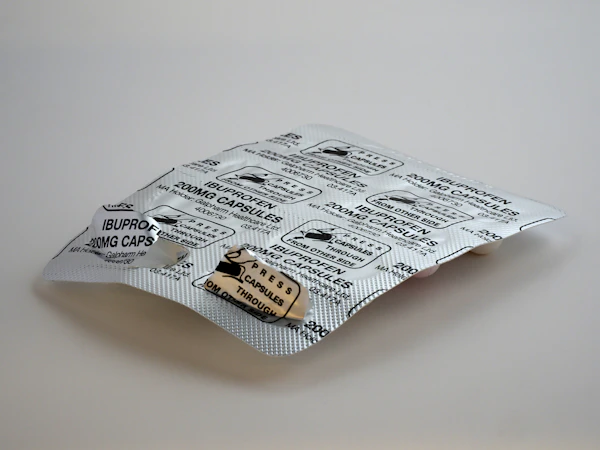
Electrolyte Drink Tablets
Replenish essential salts lost through intense physical exertion and high-altitude hiking.
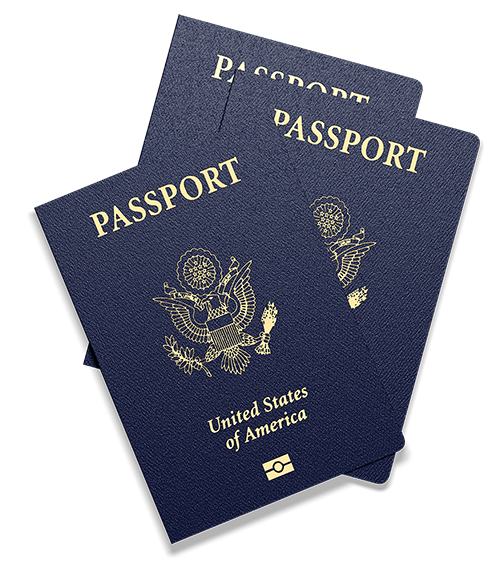
Original Passport Document
Your passport is required to enter Peru, but it is also a requirement to begin the trek. There is an official government checkpoint at the trailhead, responsible for enforcing Peruvian regulations. Remember that all foreign visitors must present their passport before starting the trek. Furthermore, if your trek ends at Machu Picchu, you will not be able to enter the citadel without your passport. Please verify that the information on your passport matches the information on your entrance ticket to avoid any problems.
Field Pro-Tips from Lead Guides
Crucial protocols compiled over 15+ seasons traversing Vilcabamba high-mountain trails.
The 7kg Porter Limit
At your pre-trek briefing at 6:00 PM in Cusco, you receive your official duffel bag. Sleeping bags count toward the 7kg limit (approx 2.5kg). Extra hotel luggage stays safely stored in our Cusco office safe free of charge.
Altitude Acclimatization
Spend at least 48-72 hours in Cusco (3,400m) before starting. Consult your physician regarding Acetazolamide (Diamox). Sip hot coca tea in moderation and hydrate constantly.
Cash in Peruvian Soles
Carry 350–500 Soles in small coins and 10/20 Sole bills for hot showers at local campsites (10 PEN), natural thermal baths at Cocalmayo (20 PEN), trail snacks, and porter gratuity.
Handling Laundry in Cusco
Cusco Historic Center features fast 24-hour laundry services for ~5-7 Soles per kilo. Pack modularly so clean civilian clothes remain separate in your hotel storage.
Expedition FAQ
Can I bring single-use plastic bottles?
No. SERNANP and the Peruvian Ministry of Culture have banned single-use plastic bottles on the Inca Trail and Salkantay Route. Please bring reusable hydration bladders (Camelbak, Platypus) or insulated steel flasks. Clean boiled water is provided at every campsite.
What sleeping bag rating is required?
We mandate a minimum comfort rating of -10°C (14°F) to -15°C (5°F) during high-season (May to September) when nighttime temperatures at Soraypampa camp drop below freezing. You can rent our expedition-grade down sleeping bags at the Cusco office.
What stays in my daypack vs duffel?
Your duffel goes directly to camp with the horses or porters and is unavailable until evening. Keep your rain jacket, 2L water, sunscreen, camera, medical kit, passport, and daily snacks inside your personal 20-30L daypack.
Are trekking poles mandatory?
While not strictly legally mandatory, they are strongly recommended by our lead guides. The steep descents down thousands of Inca steps cause severe knee impact without poles. Remember: rubber protective tips are mandatory to avoid damaging stone archeological sites.
Missing Essential Gear?
Rent Premium Equipment Directly in Cusco
Don't haul heavy gear on international flights. We maintain a sanitized inventory of high-altitude -15°C Down Sleeping Bags, Black Diamond Trekking Poles, and Inflatable Therma-Rest Mattresses ready at your pre-trek briefing.