
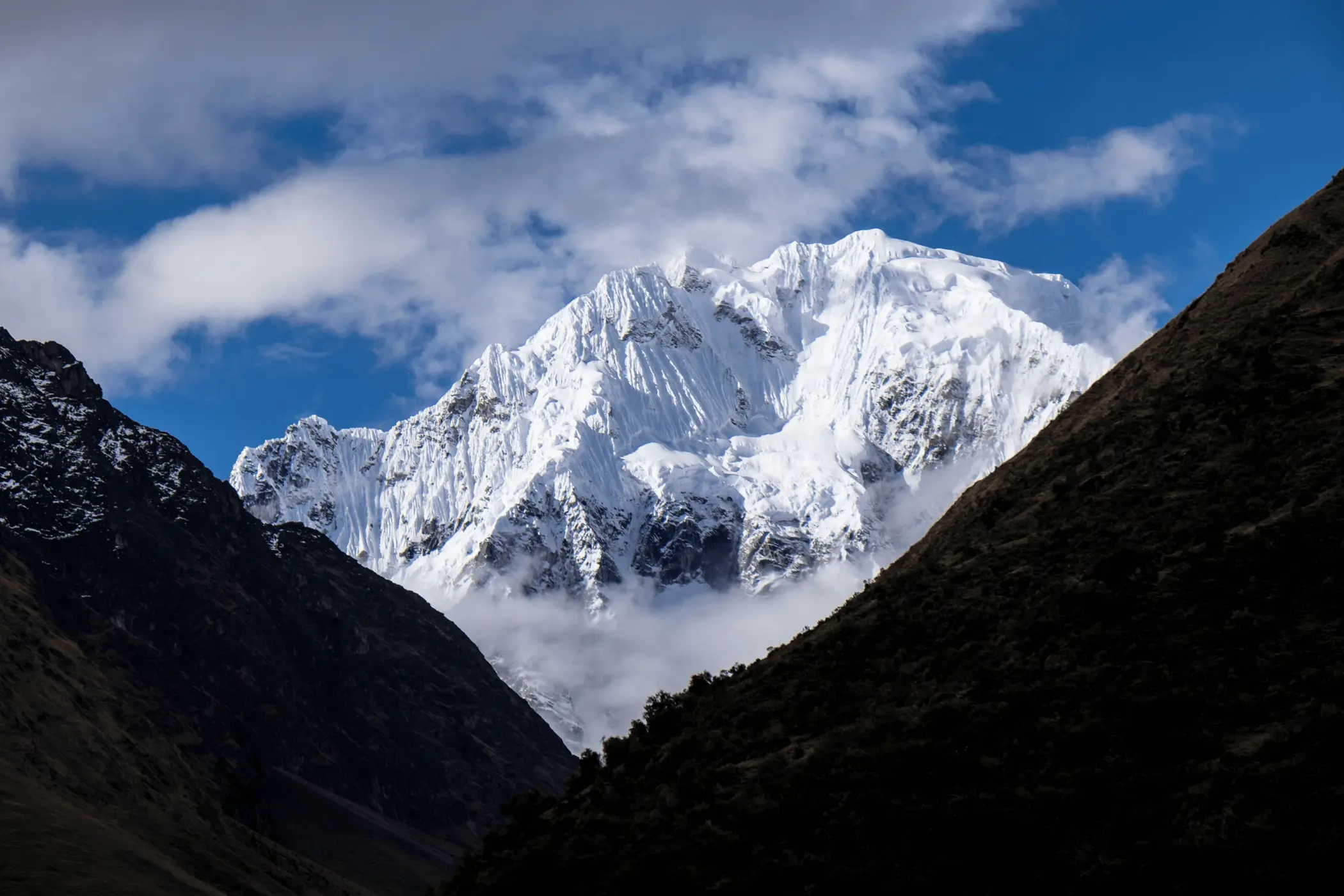
Peru is home to some of the most breathtaking landscapes in South America, and among them stands the majestic Salkantay, one of the most impressive mountains in the Andes. Known for its dramatic snow-capped peaks, sacred history, and unforgettable trekking routes, Salkantay has become one of the top destinations for travelers seeking adventure, nature, and cultural discovery.
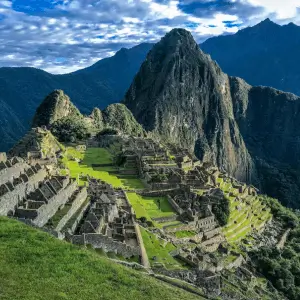
Many visitors choose the famous Salkantay Trek as an alternative route to Machu Picchu, allowing them to experience spectacular scenery, remote valleys, and the raw beauty of the Andes before reaching the legendary Inca citadel.
In this complete guide, you will discover everything you need to know about Salkantay its geological formation, location, unique characteristics, wildlife, altitude preparation tips, and what you should bring for an unforgettable journey.
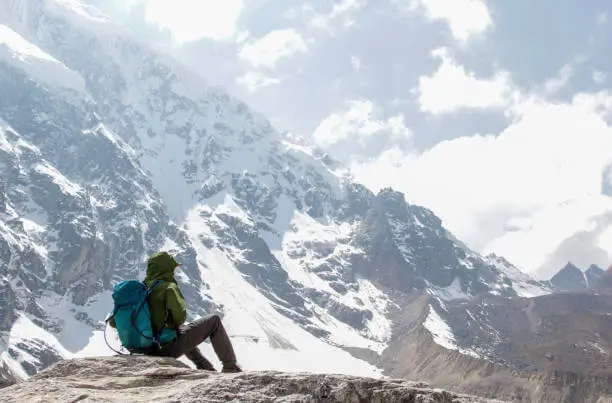
¿How Was Salkantay Formed?
The formation of Salkantay is closely linked to the geological history of the Andes Mountains. Millions of years ago, the South American tectonic plate began colliding with the Nazca plate beneath the Pacific Ocean. This powerful geological process caused massive uplift, forming the Andes mountain range that stretches along the western side of South America.
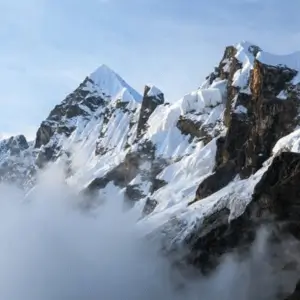
During this process, enormous layers of rock were pushed upward, creating towering peaks like Salkantay. Over time, glaciers formed on the highest summits, carving valleys and shaping the dramatic landscapes seen today.
Salkantay’s snowy summit is the result of thousands of years of glacial accumulation. Even today, its glaciers continue to slowly reshape the mountain through erosion and melting cycles.
For the ancient Incas, Salkantay was not just a mountain but a sacred entity. They believed powerful spirits, called “Apus,� lived in the highest peaks and protected the surrounding valleys and communities
¿Where Is Salkantay Located?
Salkantay is located in southern Peru within the Cusco region, part of the Vilcabamba mountain range of the Andes. It stands approximately 60 kilometers (37 miles) northwest of the city of Cusco.
The mountain reaches an elevation of 6,271 meters (20,574 feet), making it one of the highest peaks in Peru.
Salkantay lies within a remote and rugged area surrounded by valleys, glaciers, rivers, and cloud forests. This geographical diversity makes the region one of the most spectacular trekking destinations in the country.
Travelers usually begin their journey in the city of Cusco, the historic capital of the Inca Empire. From Cusco, visitors travel by road for several hours to reach the starting point of the Salkantay Trek.
The most common starting locations include:
- Mollepata
- Soraypampa
- Challacancha
These small Andean villages serve as gateways to the Salkantay trekking route.
As hikers move along the trail, they pass through several ecosystems, including high Andean grasslands, glacial valleys, and eventually lush cloud forests that descend toward Machu Picchu
¿Why Is Salkantay So Impressive?
There are many reasons why Salkantay captivates travelers from around the world. Its dramatic appearance, cultural significance, and natural diversity make it one of the most fascinating mountains in Peru.
Here are some interesting facts about Salkantay:
One of the Highest Mountains in the Cusco Region
Salkantay is the second highest peak in the Cusco region, towering above the surrounding mountains with its massive snow-covered summit.
Sacred Mountain in Inca Culture
For the Incas, Salkantay was considered a powerful protector spirit or “Apu.� Local communities still perform traditional ceremonies to honor the mountain.
Gateway to Machu Picchu
The Salkantay Trek is one of the most famous alternative routes to Machu Picchu, offering an incredible adventure through remote landscapes.
Extreme Climate Diversity
The route around Salkantay passes through multiple climate zones—from freezing alpine terrain to warm tropical forests.
Stunning Glacial Landscapes
The glaciers of Salkantay create dramatic scenery and feed rivers that sustain nearby ecosystems.
Nearby Turquoise Lake
Close to the mountain lies the stunning Humantay Lake, famous for its bright turquoise water and breathtaking views.
¿What Animals Live in the Salkantay Region?
The ecosystems surrounding Salkantay support a remarkable variety of wildlife. Because the region transitions from high mountains to cloud forests, many species thrive in this unique environment.
Some animals you might encounter include:
Andean Camelids
- Alpacas
- Llamas
- Vicuñas
These animals are commonly seen grazing in high-altitude pastures.
Birds
The Salkantay region is home to many bird species, including:
- The Andean condor
- Mountain caracaras
- Hummingbirds in lower elevations
The condor, one of the largest flying birds in the world, can sometimes be seen soaring above the valleys near Salkantay.
Mammals
In more remote areas, wildlife includes:
- Andean foxes
- Vizcachas (rabbit-like rodents)
- Spectacled bears in the cloud forest regions
Although sightings are rare, the biodiversity of the region makes trekking around Salkantay a fascinating experience for nature lovers.
Prepare for Altitude Sickness
Because Salkantay is located at extremely high altitude, proper preparation is essential for travelers.
Altitude sickness, also known as acute mountain sickness (AMS), can affect visitors who ascend too quickly without allowing their bodies to adjust.
Common symptoms include:
- Headache
- Dizziness
- Fatigue
- Nausea
- Shortness of breath
Fortunately, there are several ways to reduce the risk.
Acclimatize in Cusco
Spend at least 2–3 days in Cusco before beginning your trek to Salkantay. This allows your body to gradually adapt to the altitude.
Stay Hydrated
Drink plenty of water throughout the day. Hydration helps your body cope with reduced oxygen levels.
Eat Light Meals
Heavy meals can worsen altitude symptoms. Eat balanced, lighter foods during the first days.
Walk at a Comfortable Pace
During the trek, avoid rushing. Slow and steady hiking helps your body adjust more easily.
Avoid Alcohol and Smoking
These can worsen altitude sickness and dehydration.
Many travelers also drink traditional coca tea, a natural remedy commonly used in the Andes to help reduce altitude discomfort.
¿What Should I Bring for the Salkantay Trek?
Preparing properly is essential for a successful journey to Salkantay. The weather in the Andes can change rapidly, so packing the right gear is extremely important.
Below are the most important items to bring.
Clothing
Layered clothing is the best strategy when trekking in the Andes.
Essential clothing includes:
- Thermal base layers
- Warm fleece jacket
- Waterproof jacket
- Trekking pants
- Comfortable hiking boots
- Warm hat and gloves
- Sun hat or cap
Temperatures near Salkantay can drop below freezing at night, while daytime sun can feel very strong.
Accessories
In addition to clothing, several accessories will make your trek more comfortable and safe.
Recommended accessories:
- Sunglasses with UV protection
- High-SPF sunscreen
- Trekking poles
- Small backpack
- Reusable water bottle
- Energy snacks
- Camera for photos
The landscapes around Salkantay are incredibly photogenic, so many travelers bring a camera to capture the breathtaking scenery.
Final Thoughts: Why Salkantay Should Be on Your Travel List
The majestic Salkantay is much more than just a mountain it is one of the most incredible natural wonders in Peru. Its towering glaciers, sacred cultural history, diverse ecosystems, and epic trekking routes make it a dream destination for adventure travelers.
From the icy slopes of the mountain to the lush valleys that lead toward Machu Picchu, every step of the journey reveals a new landscape and a deeper connection with nature.
Whether you are an experienced hiker or simply someone who loves breathtaking scenery, visiting
Salkantay will be one of the most unforgettable experiences of your life.
If you are planning your next adventure in Peru, exploring the spectacular world of Salkantay should definitely be at the top of your travel list. The Andes are waiting to show you their magic.